Showing posts with label Internets. Show all posts
Showing posts with label Internets. Show all posts
Thursday, May 27, 2010
Internet Spelunking: Derrick Comedy
This summary is not available. Please
click here to view the post.


Thursday, February 4, 2010
Oh Seriously, You're Gonna Make Mistakes, You're Young
What's that, I finally realized there was a new post editor I could upgrade to on blogger? Why did it take me this long Astonishing!
 From this post onward, I'll be using more of the features more easily accessible through the new post editor for some pretty sweet new formatting elements. Plus, I'm planning on renovating and overhauling this blog this year. It's 2010. I think it's time. You may have noticed the slight change to the main title - though I don't have a novel on shelves yet, I am technically published; a step beyond merely 'aspiring.'
And look at this, easy jump breaks! Now I can post without clogging the entire front page of the blog up with massive text-walls! (You have to click the post to get to the rest of the wall.)
Now, let's take a look at a variety of goals I'm setting in 2010 for this blog, for myself professionally, and personally. I've been saying "This is gonna be a big year!" every year since I launched Spiral Reverie back in 2007. Granted, each of these years have had their own "big" moments to qualify them as such. But as a professional writer, I'm especially set on 2010 being a big step forward into that "real world" I always hear people talking about. (That doesn't really exist, you know - it's just how people rationalize their misery in adulthood.)

And look at this, easy jump breaks! Now I can post without clogging the entire front page of the blog up with massive text-walls! (You have to click the post to get to the rest of the wall.)
Now, let's take a look at a variety of goals I'm setting in 2010 for this blog, for myself professionally, and personally. I've been saying "This is gonna be a big year!" every year since I launched Spiral Reverie back in 2007. Granted, each of these years have had their own "big" moments to qualify them as such. But as a professional writer, I'm especially set on 2010 being a big step forward into that "real world" I always hear people talking about. (That doesn't really exist, you know - it's just how people rationalize their misery in adulthood.)
Friday, March 6, 2009
Sane Gaming: Online Communities
We begin our odyssey of gaming commentary with a look at online communities these days. They're easily summed up in a single question: "Where's the fun?" It's no secret that online gaming communities are ruled by negativity today. You don't have to look far to see it between all the mainstream gaming media sites, blogs, and message boards. Gaming - in particular, self-proclaimed serious/"hardcore" gaming - is nothing but negative.
A History Lesson in Bias and Brand Fanaticism
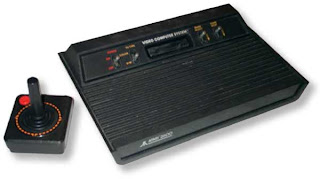 Brand fanaticism has always been an issue in home console video gaming, whether the conflicts between Atari and Colecovision, Nintendo and Sega, and now Sony, Microsoft, and Nintendo. Each time a new brand comes about, the minute it achieves any measure of success, you'll find a growing crowd insisting that that particular brand is the only one that matters, and that all others - as well as those who play those brands' consoles - are inferior.
When Nintendo changed console gaming in the years following the massive industry crash at the end of the Atari/Coleco days, gamers from that era scoffed at the new controllers and types of gameplay they brought in, with directional pads and a few more buttons rather than the traditional joystick. After Sega entered the market, they began a fierce brand battle with Nintendo which lasted around a decade - making more progress in the west than Japan, presenting themselves as the "cool" alternative to Nintendo. (While both companies produced high quality hardware with interesting controllers and excellent software, making it well worth your time to own both sides' consoles if you could afford them.)
When Sony entered the market in the mid-'90s, the Playstation having been developed by the openly egomaniacal Ken Kutaragi - with an effective "Anything you can do, I can do better, you're just a specialist company, not an electronics powerhouse like Sony" attitude - following the rejection of a business deal between Sony and Nintendo. (Sony was to develop a CD drive add-on for the Super Nintendo Entertainment System - which ultimately became the original Playstation - but in exchange, wanted Nintendo to become part of Sony. An extremely lopsided proposal.) While you wouldn't expect a console essentially birthed out of spite to do as well as the Playstation did, it filled a crucial gap in the industry left by Nintendo and Sega that generation. Nintendo's president at the time - Hiroshi Yamauchi - was known for his domineering personality and outright bullying of third parties into exclusive support of Nintendo hardware. After two generations of this, most third parties were understandably looking for an alternative. The N64 was designed to be a graphical powerhouse, but in sticking with cartridges lacked the CD drive that developers had deemed necessary to move the industry forward. And so, they turned to Sega's Saturn - which saw far more success in Japan than the west, due to Sega's having killed a great deal of their brandname's goodwill after the Genesis with the flops that were the Sega CD (Which still had a fair number of excellent games) and 32X - and found their efforts hampered by extremely cumbersome internal architecture, which made programming hell. Sony came along with their Playstation, which despite having weaker hardware than the Saturn, was easier to program for and still had a CD drive. It had a slow start, but after Squaresoft released the meteorically successful Final Fantasy VII (Which, sadly, was a sharp reversal from its predecessor in terms of quality), the rest of Sony's success with the Playstation brand is well known. Nintendo was rather summarily abandoned by the third parties, and after the Saturn, Sega released their final console in the Dreamcast, which also failed, despite being an excellent, forward-thinking platform by design.
That industry history lesson serves a purpose here, of course: After Sony's own meteoric rise to domination of the industry, with a lot of 8 and 16-bit era gamers from the Nintendo/Sega days "outgrowing" the hobby, Sony focused on courting their own new demographic and over the course of the Playstation and PS2 years, they expanded the market far beyond the reach achieved in previous generations. (Though it took them a while to get anywhere near NES levels - Nintendo's initial foray into the console world set sales records extremely difficult to touch.) But in bringing in their own generation of gamers, Sony took an approach not unlike Sega's, essentially spitting on the entire gaming industry prior to their presence and doing so more and more openly as they developed more of a near-monopoly on the console business. They basically taught an entire generation of gamers that everything Nintendo and Sega is terrible by default, and to look down upon non-3D games - and anything not on their hardware - as garbage. (Eventually adopting rather rigid anti-2D graphic policies on the PS2 and setting standards of content to censor - even to the point of blocking games, as Atlus saw in their efforts to localize Shin Megami Tensei series games on the original PSX - in a time when Nintendo was relaxing their censorship standards and starting to more openly support adult-oriented content on their consoles. All that under Nintendo's new president, Satoru Iwata formerly of the second party developer HAL Laboratory, who sought to correct many of Yamauchi's mistakes and attitudes toward the market and developers, as a former game designer himself.) This led to a new segment of gamers that ultimately developed an intense loyalty to Sony - and ultimately Microsoft as well - with a hostility towards anything not of their brand of choice that made the Nintendo/Sega rivalry of the late '80s and early '90s look like a tea party.
Microsoft entered the industry last generation with the Xbox as a laughingstock, failed to make any money, and the system sold largely on their popular Halo series first-person shooters and paid subscription online play service. They only started to gain more traction this generation with the Xbox 360, their second console, popular for its even deeper - though still costly - online gameplay service and otherwise mostly for its violent shooting and action oriented games. It received a great deal of love simply for launching first - oddly unlike the reproach Sega largely received over the Dreamcast, which never found more than a niche market - and was ultimately copied in basic design by Sony with their PS3.
The difference is, neither of these major corporations - Sony or Microsoft - understands how the console gaming industry works, and has treated it as though they can simply dictate what they want to the market, and the market will serve them. (Not the attitudes you want to see coming from any corporation, let alone ones seeking to provide entertainment.) Nintendo took some major risks this generation, in looking at a stagnant market - after the Gamecube only started to dabble in gameplay innovation with some of its peripherals and odder games, achieving a great deal of profitability due to a good business plan (Like the N64) but failing to break out of third place in the hardware war - and asking how they could change things and bring gaming further to the masses.
This generation, Sony and Microsoft essentially offered nothing more than a far more expensive - and at times less reliable, looking at Microsoft's hardware failure rates - version of last generation's gaming. We're essentially seeing the same exact kinds of games and gameplay experiences that defined the previous generation with the PS2, Gamecube, and Xbox being played on similar controllers (Or in Sony's case, exactly the same, as they've shown they have no idea how to make a new controller, when new controllers are crucial, as is change in general in an entertainment industry that needs innovation to grow and survive, as gaming does.), and in many cases the same kinds of games with less overall content in exchange for a focus on online play and extremely expensive graphics. The mass market understandably chose the Wii and DS as this generation's hardware victors, bringing Nintendo back to the top of the industry, with their new kinds of controls that, when implemented well, can do far more for anyone's gameplay experience than the same old controllers the PS3 and Xbox 360 rely on. The motion controls and simpler main controller in the Wii Remote and touchscreen on the DS make for new, even more intuitive ways to interact with games than were ever in the mainstream before, appealing to the majority of people far more than a controller with 10+ buttons and two analog sticks could. We've effectively hit a wall in regards to what overly complicated traditional controllers can do for video games as a medium, and with Nintendo returning to the forefront in the wake of that - and expanding the industry considerably in making gaming accessible to far more people than Sony did, especially now that they're trying to push the industry into a shrinking direction with Microsoft in their focus on extremely high budget graphics and stagnant gameplay experiences - we're seeing the ugly attitudes Sony and Microsoft fostered in their brand fanatics rearing their heads all over the internet on a regular basis.
Media Unbalance
 Inherent biases towards Sony and Microsoft because they're praised as representing "traditional" / "core" games - largely out of poorly founded paranoia that we're somehow going to lose the older types of games as a result of the successes of pick-up-and-play Wii titles such as Wii Sports, Wii Fit, and Wii music with the masses - have infected most gaming blogs and mainstream websites and magazines. The media's sought to cater to this angry Sony/Microsoft fanatic crowd in constantly asking sensationalistic questions like "IS NINTENDO RUINING GAMING!?" simply for their succeeding in bringing the hobby to the masses at last with appealing, intuitive hardware. In the decade of Sony's rule, most had grown very comfortable with the idea of Nintendo being this declawed underdog good for a Mario or Zelda game here and there, but otherwise irrelevant. And as such, we've seen a painful loss of objectivity in the gaming media - not that it ever had much in the way of journalistic integrity to begin with.
With these angry biases against the new market leader having poisoned the mainstream media, the question is raised of whether or not it's better to be an "informed" gamer, or to simply play what games appeal to you. (As many reviews these days are colored almost entirely by reviewer biases, whether against a brandname or specific genre. If you aren't interested in one genre or another and can't keep an open mind, you've got no objective basis for writing a review - a considerable number of Wii games have taken hits on their average scores on aggregate review sites simply because they were reviewed by individuals who hated the Wii in general and as a result weren't even trying to have fun with the games they were assigned to review.) Looking at the trends in gaming mass media these days, I'd personally advise looking at most Wii game scores - if you feel like bothering with such websites at all - and add a point or two to get a score that's likely closer to the reality of the title's quality. (You could also drink yourself to death on the use of "waggle" in Wii reviews - a term coined solely to undermine the importance of what the Wii brings to the medium and industry with its motion controls and insinuate that they're always inferior to stagnant, less precise d-pad and analog stick controls.) Likewise, you'd want to remove a point or two with most PS3 and Xbox 360 games, considering how commonplace the bankrolling of positive reviews has become this generation - it's essentially a standard marketing practice now. If you're releasing an ultra-hyped, highly anticipated game - and especially since it's not on the market-leading Wii - you want to pay the press to call it one of the greatest games ever made and attempt to get the masses to buy the more expensive, less successful hardware it's on. As a result, we're seeing two consoles on which most games don't turn a profit receiving an inordinately high number of "greatest games ever made!" in reviews of their high profile titles every year, which makes it crystal clear that there is zero objectivity left in the gaming mass media.
Are Games Art?
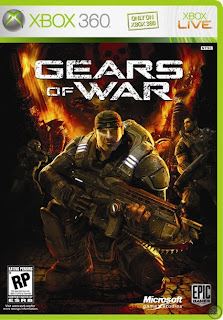 Another popular conversation in online gaming communities these days is also the matter of whether or not video games qualify as art. Cliff "CliffyB" Bleszinski wants us to take his popular Gears of War Xbox 360 series seriously and think of it as a work of art. In reality, Gears of War is basically Rambo in Space, or a science fiction Contra of sorts. It's about tough-talking, ultra-manly space marines (One of the worst, most completely beaten-to-death cliches that western game developers can't seem to get over) fighting aliens on other worlds with big guns. It isn't high art, it isn't remarkable writing, and conceptually, it isn't brilliant game making. At best, it's derivative. Sure, it's something fun for the series' millions of fans, and if that sort of game appeals to you, no one should stop you from having fun with it. But it says and accomplishes nothing from the artistic perspective beyond very base, crass entertainment. The sort of attitude we've seen about the series from CliffyB is a good indication of the lack of awareness of just how bad the writing and concepts are behind mainstream games these days - especially when compared to quality film and literature, as gaming tries to emulate both and continues to consistently fail at pulling off anything of the sort.
Metal Gear Solid 4, as popular as it was when it hit the PS3 last year, is an excellent example of such a trainwreck of a game. Revered Konami director Hideo Kojima was never going to develop the game to begin with, until death threats started rolling in from fans. (Generally, that's the part where you're supposed to say "How about I never make another title in the series again, ever? This is why you can't have nice things.") As a long-time fan of Kojima - though not so much his Tom Clancy on acid Metal Gear series, which just never appealed to me personally - it was disappointing to see his writing and approach to game design strike new lows with that title, after having thoroughly enjoyed the anime-esque Zone of the Enders PS2 games, stealth vampire-hunting Gameboy Advance Boktai game, and his masterpiece Blade Runner homage, Snatcher. After years of being hyped as "the game that would make the PS3" and prove the supposed "necessity" of its ridiculous hardware power (Ignoring the fact that a multi-core cell processor isn't hardware well-oriented towards video game design at all. The PS3 makes the Sega Saturn look like a dream to program for, which is a contributing factor in the PS3's continuing failure on the market.), it ended up being an extremely long, meandering CGI movie with plenty of cliche plot twists and a lot of evidence that Kojima's simply become creatively bankrupt with the series, in abruptly bringing a bunch of characters he'd permanently killed off in previous games back to life without explanation. Tacked on to that was a very clunky PS2 game with more expensive grahpics and roughly 5-6 hours of gameplay, with unlockables in the game for beating it in so little time. It was a game that showed how difficult it was for even Kojima to make a full PS3 game, and how far Sony's philosophy had moved away from gaming to simply focusing on high definition movies. (Though they made no secret of that, since the system was half-intended to be a market trojan for the Blu-Ray HD movie disc media, which despite defeating HD-DVD in the war between the two HD formats, isn't breaking into the mainstream market or so much as putting a dent into the DVD market in this global recession where, after DVD's only been the mainstream market replacement for VHS for roughly a decade now, it's far too soon - as well as coming off as unnecessary and greedy, given that DVDs aren't exactly cheap either and HDTVs aren't in any way a mainstream or affordable thing for most people - to even be thinking about replacing DVD with more expensive disc media aimed at the HDTV crowd, when high definition television isn't anywhere remotely near being mainstream.)
Grand Theft Auto IV, after all the insane "No! THIS is the best game of all time!" hype it received in response to 2007's Super Mario Galaxy in the first half of 2008, eventually saw the majority of gamers agreeing that it was nowhere near as good as the critics had been paid to call it. And why was that? Because it fell victim to the "Let's make this game high art!" trap developers have started trending towards on those platforms these days, in trying to tell a rough, crime-oriented story of an immigrant's arrival in America. An incredibly cliched story that's been told many times before - and far better - in both cinema and literature. GTA fans love the series for how humorous it is, and how much freedom the player receives to simply go out and create chaos. GTA4 imposed many restrictions on players' freedoms to be chaotic from previous titles, and lost most of its sense of humor in taking a much more heavy-handed approach to the narrative it told. In both story presentation and gameplay, it was GTA minus the fun in the name of "realism" - another common theme we've seen in the commonplace obsession with making "realistic" games on the high definition consoles.
 Narratives like this could potentially be made far more interesting if they were framed in a way only video games could tell them - the problem is, developers aren't interested in taking advantage of what the interactive nature of video games in telling their story. Instead, they simply create linear plot structures filled with pre-rendered videos and have the player constantly going from point A to point B to further the plot and get through the game, but they're not interacting with the story in any meaningful sense. The players are just observers, like filmgoers and readers. And this is essentially where the video game industry seems hellbent on staying worlds behind cinema and literature - they want to essentially model games after them instead of exploring what games can do differently by the very natuer of their interactivity that books and movies lack. If they ever want to achieve something of meaningful artistic value instead of "Let's try to do what they're doing even though we're not making movies and writing books and pretend we can do it better even though that's not even the main focus of the medium!" developers need to get more talented writers involved - as even decent writing in video games is extremely scarce - and rethink how they approach narratives in video games. Otherwise, they'll simply continue to nip at the heels of far more developed art forms that video games themselves are not, in being centered on interaction by definition.
Also observably, the trend tends to be that games that take themselves too seriously are much worse in terms of story and narrative than those with a sense of humor as well - a self-aware video game that can laugh at itself and has fun with what it is can be a joyful experience to play. A game that wants to convince you it's some deep artistic statement or piece of cinematic art (Virtually always centered around manly badasses with guns!) isn't.
Unfortunately, whenever you see discussion of video games as art online, it's always one extreme or the other. The most popular viewpoint tends to amount to: "Shut up, all video games are art! Gears of War is badass art and I'm a more cultured person for playing it so people should look up to me for playing video games." When in the end, while video games are a creative medium, we rarely see truly fresh or original games these days - even if they're fun, most are incredibly derivative, and at best, extremely low level art, like a terrible Hollywood blockbuster or bad TV sitcom. Nothing of meaningful artistic merit. But video gamers - like most people on the internet - like to try to boil their arguments entirely down to black-and-white me-vs.-you back-and-forth conflicts instead of thinking in critical, complex terms. Of course, the cliche "traditional" video gamer who thinks Gears of War is a stroke of genius is, more likely than not, not someone who's studied art, ever critically thought about it, or ever spent much time in an art museum. And frankly, critical thinking, understanding, and appreciation of art for what it is are all things that anyone can benefit from.
Solving the Negativity Problem
 Coming full circle in the discussion, there's the issue of how exactly we can deal with the problem of the intense negativity - especially towards Nintendo's system and all the newer gamers who've only recently gotten into the hobby through the Wii and DS (The aggressive crowd choosing to forget that they were once new gamers too, albeit with a different brand of hardware, which they're convinced everyone should be playing, even as that side of the market turns into a sinking ship in how expensive it is for everyone involved.) - and corruption that are so hard to get away from in their pervasiveness. These kinds of attitudes can make dealing with the mainstream online media exhausting and extremely jading to longtime gamers who love and simply want to keep having fun with their hobby. And they can simply drive off newer gamers, since they're being openly antagonized as though they don't "deserve" to be in the hobby if they dare to enjoy something like Wii Sports or Brain Age.
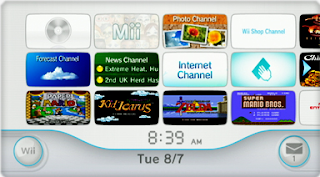
The only real solution seems to be to take advantage of the abundance of social-networking options available today to counter this sort of mentality and carve out one's own personal gaming niche on the internet. By trading friend codes with those in your social circle on the Wii and using the WiiMail Wii Message Board email system, you can create your own social network through the Wii itself. You can also communicate even more directly through the Wii Speak peripheral (Which I'm thinking myself about potentially using for future small scale readings as an interesting alternative sort of thing. Far, far too early to say if I'll be doing anything like that for certain.), and I believe the Xbox 360 and PS3 have some sort of message systems as well in addition to their voice chat features.
Beyond the gaming hardware social networking capabilities, one could start a less aggressive message board system, or groups on social networking sites like Facebook and MySpace, blogs that celebrate gaming rather than looking to tear it down and thrive on trolling and flame wars as so many do these days, and things like that. Creativity is key in finding a healthier social environment in gaming these days than you could by trying to immerse yourself in the popular hostility. Building up a social network of friendly people to have fun with in online games or talk about the hobby with through such grassroots means is really the most effective these days - making the most of what can be done with the internet and popularity of social networking these days, as it's both all about keeping up with friends and making new ones. Of course, you should also always be wary of predators.
With the number of people who play video games these days growing at astonishing rates largely thanks to the accessibility of the Wii and DS, new gamers don't deserve the antagonism they receive from the crowd that came in on Sony's consoles and hold a ridiculously blind loyalty to Sony and Microsoft, despite the negatives their latest hardware bring to the industry. Newer gamers deserve to find an healthy environment in which to socialize about gaming as much as anyone else. But in genearl, the hostile gaming crowd needs to either come to grips with the reality of the industry this generation or at least stop taking their hobby so seriously. There's no one who doesn't deserve to have fun with any kind of games that appeal to them - just as people can read whatever books and watch whatever movies they like. Gaming will never be a mainstream, respected medium following Sony and Microsoft's current path, as they'd prefer. They will never walk down the street and see people react in awe, "Oh my god! That guy's a HARDCORE GAMER! He's so much better than me," as so many seem to desire. But we can disperse the negative stereotypes and improve the unpleasant sides of gaming and associations with those who game as ordinary people continue to pick up the hobby and have fun with it too.
Whoo, that did end up being very rambling in the end. Hopefully it was coherent enough for any of you who were interested, anyway. I'll try to make the next ones less meandering - there was just a lot to say here.
A History Lesson in Bias and Brand Fanaticism
 Brand fanaticism has always been an issue in home console video gaming, whether the conflicts between Atari and Colecovision, Nintendo and Sega, and now Sony, Microsoft, and Nintendo. Each time a new brand comes about, the minute it achieves any measure of success, you'll find a growing crowd insisting that that particular brand is the only one that matters, and that all others - as well as those who play those brands' consoles - are inferior.
When Nintendo changed console gaming in the years following the massive industry crash at the end of the Atari/Coleco days, gamers from that era scoffed at the new controllers and types of gameplay they brought in, with directional pads and a few more buttons rather than the traditional joystick. After Sega entered the market, they began a fierce brand battle with Nintendo which lasted around a decade - making more progress in the west than Japan, presenting themselves as the "cool" alternative to Nintendo. (While both companies produced high quality hardware with interesting controllers and excellent software, making it well worth your time to own both sides' consoles if you could afford them.)
When Sony entered the market in the mid-'90s, the Playstation having been developed by the openly egomaniacal Ken Kutaragi - with an effective "Anything you can do, I can do better, you're just a specialist company, not an electronics powerhouse like Sony" attitude - following the rejection of a business deal between Sony and Nintendo. (Sony was to develop a CD drive add-on for the Super Nintendo Entertainment System - which ultimately became the original Playstation - but in exchange, wanted Nintendo to become part of Sony. An extremely lopsided proposal.) While you wouldn't expect a console essentially birthed out of spite to do as well as the Playstation did, it filled a crucial gap in the industry left by Nintendo and Sega that generation. Nintendo's president at the time - Hiroshi Yamauchi - was known for his domineering personality and outright bullying of third parties into exclusive support of Nintendo hardware. After two generations of this, most third parties were understandably looking for an alternative. The N64 was designed to be a graphical powerhouse, but in sticking with cartridges lacked the CD drive that developers had deemed necessary to move the industry forward. And so, they turned to Sega's Saturn - which saw far more success in Japan than the west, due to Sega's having killed a great deal of their brandname's goodwill after the Genesis with the flops that were the Sega CD (Which still had a fair number of excellent games) and 32X - and found their efforts hampered by extremely cumbersome internal architecture, which made programming hell. Sony came along with their Playstation, which despite having weaker hardware than the Saturn, was easier to program for and still had a CD drive. It had a slow start, but after Squaresoft released the meteorically successful Final Fantasy VII (Which, sadly, was a sharp reversal from its predecessor in terms of quality), the rest of Sony's success with the Playstation brand is well known. Nintendo was rather summarily abandoned by the third parties, and after the Saturn, Sega released their final console in the Dreamcast, which also failed, despite being an excellent, forward-thinking platform by design.
That industry history lesson serves a purpose here, of course: After Sony's own meteoric rise to domination of the industry, with a lot of 8 and 16-bit era gamers from the Nintendo/Sega days "outgrowing" the hobby, Sony focused on courting their own new demographic and over the course of the Playstation and PS2 years, they expanded the market far beyond the reach achieved in previous generations. (Though it took them a while to get anywhere near NES levels - Nintendo's initial foray into the console world set sales records extremely difficult to touch.) But in bringing in their own generation of gamers, Sony took an approach not unlike Sega's, essentially spitting on the entire gaming industry prior to their presence and doing so more and more openly as they developed more of a near-monopoly on the console business. They basically taught an entire generation of gamers that everything Nintendo and Sega is terrible by default, and to look down upon non-3D games - and anything not on their hardware - as garbage. (Eventually adopting rather rigid anti-2D graphic policies on the PS2 and setting standards of content to censor - even to the point of blocking games, as Atlus saw in their efforts to localize Shin Megami Tensei series games on the original PSX - in a time when Nintendo was relaxing their censorship standards and starting to more openly support adult-oriented content on their consoles. All that under Nintendo's new president, Satoru Iwata formerly of the second party developer HAL Laboratory, who sought to correct many of Yamauchi's mistakes and attitudes toward the market and developers, as a former game designer himself.) This led to a new segment of gamers that ultimately developed an intense loyalty to Sony - and ultimately Microsoft as well - with a hostility towards anything not of their brand of choice that made the Nintendo/Sega rivalry of the late '80s and early '90s look like a tea party.
Microsoft entered the industry last generation with the Xbox as a laughingstock, failed to make any money, and the system sold largely on their popular Halo series first-person shooters and paid subscription online play service. They only started to gain more traction this generation with the Xbox 360, their second console, popular for its even deeper - though still costly - online gameplay service and otherwise mostly for its violent shooting and action oriented games. It received a great deal of love simply for launching first - oddly unlike the reproach Sega largely received over the Dreamcast, which never found more than a niche market - and was ultimately copied in basic design by Sony with their PS3.
The difference is, neither of these major corporations - Sony or Microsoft - understands how the console gaming industry works, and has treated it as though they can simply dictate what they want to the market, and the market will serve them. (Not the attitudes you want to see coming from any corporation, let alone ones seeking to provide entertainment.) Nintendo took some major risks this generation, in looking at a stagnant market - after the Gamecube only started to dabble in gameplay innovation with some of its peripherals and odder games, achieving a great deal of profitability due to a good business plan (Like the N64) but failing to break out of third place in the hardware war - and asking how they could change things and bring gaming further to the masses.
This generation, Sony and Microsoft essentially offered nothing more than a far more expensive - and at times less reliable, looking at Microsoft's hardware failure rates - version of last generation's gaming. We're essentially seeing the same exact kinds of games and gameplay experiences that defined the previous generation with the PS2, Gamecube, and Xbox being played on similar controllers (Or in Sony's case, exactly the same, as they've shown they have no idea how to make a new controller, when new controllers are crucial, as is change in general in an entertainment industry that needs innovation to grow and survive, as gaming does.), and in many cases the same kinds of games with less overall content in exchange for a focus on online play and extremely expensive graphics. The mass market understandably chose the Wii and DS as this generation's hardware victors, bringing Nintendo back to the top of the industry, with their new kinds of controls that, when implemented well, can do far more for anyone's gameplay experience than the same old controllers the PS3 and Xbox 360 rely on. The motion controls and simpler main controller in the Wii Remote and touchscreen on the DS make for new, even more intuitive ways to interact with games than were ever in the mainstream before, appealing to the majority of people far more than a controller with 10+ buttons and two analog sticks could. We've effectively hit a wall in regards to what overly complicated traditional controllers can do for video games as a medium, and with Nintendo returning to the forefront in the wake of that - and expanding the industry considerably in making gaming accessible to far more people than Sony did, especially now that they're trying to push the industry into a shrinking direction with Microsoft in their focus on extremely high budget graphics and stagnant gameplay experiences - we're seeing the ugly attitudes Sony and Microsoft fostered in their brand fanatics rearing their heads all over the internet on a regular basis.
Media Unbalance
 Inherent biases towards Sony and Microsoft because they're praised as representing "traditional" / "core" games - largely out of poorly founded paranoia that we're somehow going to lose the older types of games as a result of the successes of pick-up-and-play Wii titles such as Wii Sports, Wii Fit, and Wii music with the masses - have infected most gaming blogs and mainstream websites and magazines. The media's sought to cater to this angry Sony/Microsoft fanatic crowd in constantly asking sensationalistic questions like "IS NINTENDO RUINING GAMING!?" simply for their succeeding in bringing the hobby to the masses at last with appealing, intuitive hardware. In the decade of Sony's rule, most had grown very comfortable with the idea of Nintendo being this declawed underdog good for a Mario or Zelda game here and there, but otherwise irrelevant. And as such, we've seen a painful loss of objectivity in the gaming media - not that it ever had much in the way of journalistic integrity to begin with.
With these angry biases against the new market leader having poisoned the mainstream media, the question is raised of whether or not it's better to be an "informed" gamer, or to simply play what games appeal to you. (As many reviews these days are colored almost entirely by reviewer biases, whether against a brandname or specific genre. If you aren't interested in one genre or another and can't keep an open mind, you've got no objective basis for writing a review - a considerable number of Wii games have taken hits on their average scores on aggregate review sites simply because they were reviewed by individuals who hated the Wii in general and as a result weren't even trying to have fun with the games they were assigned to review.) Looking at the trends in gaming mass media these days, I'd personally advise looking at most Wii game scores - if you feel like bothering with such websites at all - and add a point or two to get a score that's likely closer to the reality of the title's quality. (You could also drink yourself to death on the use of "waggle" in Wii reviews - a term coined solely to undermine the importance of what the Wii brings to the medium and industry with its motion controls and insinuate that they're always inferior to stagnant, less precise d-pad and analog stick controls.) Likewise, you'd want to remove a point or two with most PS3 and Xbox 360 games, considering how commonplace the bankrolling of positive reviews has become this generation - it's essentially a standard marketing practice now. If you're releasing an ultra-hyped, highly anticipated game - and especially since it's not on the market-leading Wii - you want to pay the press to call it one of the greatest games ever made and attempt to get the masses to buy the more expensive, less successful hardware it's on. As a result, we're seeing two consoles on which most games don't turn a profit receiving an inordinately high number of "greatest games ever made!" in reviews of their high profile titles every year, which makes it crystal clear that there is zero objectivity left in the gaming mass media.
Are Games Art?
 Another popular conversation in online gaming communities these days is also the matter of whether or not video games qualify as art. Cliff "CliffyB" Bleszinski wants us to take his popular Gears of War Xbox 360 series seriously and think of it as a work of art. In reality, Gears of War is basically Rambo in Space, or a science fiction Contra of sorts. It's about tough-talking, ultra-manly space marines (One of the worst, most completely beaten-to-death cliches that western game developers can't seem to get over) fighting aliens on other worlds with big guns. It isn't high art, it isn't remarkable writing, and conceptually, it isn't brilliant game making. At best, it's derivative. Sure, it's something fun for the series' millions of fans, and if that sort of game appeals to you, no one should stop you from having fun with it. But it says and accomplishes nothing from the artistic perspective beyond very base, crass entertainment. The sort of attitude we've seen about the series from CliffyB is a good indication of the lack of awareness of just how bad the writing and concepts are behind mainstream games these days - especially when compared to quality film and literature, as gaming tries to emulate both and continues to consistently fail at pulling off anything of the sort.
Metal Gear Solid 4, as popular as it was when it hit the PS3 last year, is an excellent example of such a trainwreck of a game. Revered Konami director Hideo Kojima was never going to develop the game to begin with, until death threats started rolling in from fans. (Generally, that's the part where you're supposed to say "How about I never make another title in the series again, ever? This is why you can't have nice things.") As a long-time fan of Kojima - though not so much his Tom Clancy on acid Metal Gear series, which just never appealed to me personally - it was disappointing to see his writing and approach to game design strike new lows with that title, after having thoroughly enjoyed the anime-esque Zone of the Enders PS2 games, stealth vampire-hunting Gameboy Advance Boktai game, and his masterpiece Blade Runner homage, Snatcher. After years of being hyped as "the game that would make the PS3" and prove the supposed "necessity" of its ridiculous hardware power (Ignoring the fact that a multi-core cell processor isn't hardware well-oriented towards video game design at all. The PS3 makes the Sega Saturn look like a dream to program for, which is a contributing factor in the PS3's continuing failure on the market.), it ended up being an extremely long, meandering CGI movie with plenty of cliche plot twists and a lot of evidence that Kojima's simply become creatively bankrupt with the series, in abruptly bringing a bunch of characters he'd permanently killed off in previous games back to life without explanation. Tacked on to that was a very clunky PS2 game with more expensive grahpics and roughly 5-6 hours of gameplay, with unlockables in the game for beating it in so little time. It was a game that showed how difficult it was for even Kojima to make a full PS3 game, and how far Sony's philosophy had moved away from gaming to simply focusing on high definition movies. (Though they made no secret of that, since the system was half-intended to be a market trojan for the Blu-Ray HD movie disc media, which despite defeating HD-DVD in the war between the two HD formats, isn't breaking into the mainstream market or so much as putting a dent into the DVD market in this global recession where, after DVD's only been the mainstream market replacement for VHS for roughly a decade now, it's far too soon - as well as coming off as unnecessary and greedy, given that DVDs aren't exactly cheap either and HDTVs aren't in any way a mainstream or affordable thing for most people - to even be thinking about replacing DVD with more expensive disc media aimed at the HDTV crowd, when high definition television isn't anywhere remotely near being mainstream.)
Grand Theft Auto IV, after all the insane "No! THIS is the best game of all time!" hype it received in response to 2007's Super Mario Galaxy in the first half of 2008, eventually saw the majority of gamers agreeing that it was nowhere near as good as the critics had been paid to call it. And why was that? Because it fell victim to the "Let's make this game high art!" trap developers have started trending towards on those platforms these days, in trying to tell a rough, crime-oriented story of an immigrant's arrival in America. An incredibly cliched story that's been told many times before - and far better - in both cinema and literature. GTA fans love the series for how humorous it is, and how much freedom the player receives to simply go out and create chaos. GTA4 imposed many restrictions on players' freedoms to be chaotic from previous titles, and lost most of its sense of humor in taking a much more heavy-handed approach to the narrative it told. In both story presentation and gameplay, it was GTA minus the fun in the name of "realism" - another common theme we've seen in the commonplace obsession with making "realistic" games on the high definition consoles.
 Narratives like this could potentially be made far more interesting if they were framed in a way only video games could tell them - the problem is, developers aren't interested in taking advantage of what the interactive nature of video games in telling their story. Instead, they simply create linear plot structures filled with pre-rendered videos and have the player constantly going from point A to point B to further the plot and get through the game, but they're not interacting with the story in any meaningful sense. The players are just observers, like filmgoers and readers. And this is essentially where the video game industry seems hellbent on staying worlds behind cinema and literature - they want to essentially model games after them instead of exploring what games can do differently by the very natuer of their interactivity that books and movies lack. If they ever want to achieve something of meaningful artistic value instead of "Let's try to do what they're doing even though we're not making movies and writing books and pretend we can do it better even though that's not even the main focus of the medium!" developers need to get more talented writers involved - as even decent writing in video games is extremely scarce - and rethink how they approach narratives in video games. Otherwise, they'll simply continue to nip at the heels of far more developed art forms that video games themselves are not, in being centered on interaction by definition.
Also observably, the trend tends to be that games that take themselves too seriously are much worse in terms of story and narrative than those with a sense of humor as well - a self-aware video game that can laugh at itself and has fun with what it is can be a joyful experience to play. A game that wants to convince you it's some deep artistic statement or piece of cinematic art (Virtually always centered around manly badasses with guns!) isn't.
Unfortunately, whenever you see discussion of video games as art online, it's always one extreme or the other. The most popular viewpoint tends to amount to: "Shut up, all video games are art! Gears of War is badass art and I'm a more cultured person for playing it so people should look up to me for playing video games." When in the end, while video games are a creative medium, we rarely see truly fresh or original games these days - even if they're fun, most are incredibly derivative, and at best, extremely low level art, like a terrible Hollywood blockbuster or bad TV sitcom. Nothing of meaningful artistic merit. But video gamers - like most people on the internet - like to try to boil their arguments entirely down to black-and-white me-vs.-you back-and-forth conflicts instead of thinking in critical, complex terms. Of course, the cliche "traditional" video gamer who thinks Gears of War is a stroke of genius is, more likely than not, not someone who's studied art, ever critically thought about it, or ever spent much time in an art museum. And frankly, critical thinking, understanding, and appreciation of art for what it is are all things that anyone can benefit from.
Solving the Negativity Problem
 Coming full circle in the discussion, there's the issue of how exactly we can deal with the problem of the intense negativity - especially towards Nintendo's system and all the newer gamers who've only recently gotten into the hobby through the Wii and DS (The aggressive crowd choosing to forget that they were once new gamers too, albeit with a different brand of hardware, which they're convinced everyone should be playing, even as that side of the market turns into a sinking ship in how expensive it is for everyone involved.) - and corruption that are so hard to get away from in their pervasiveness. These kinds of attitudes can make dealing with the mainstream online media exhausting and extremely jading to longtime gamers who love and simply want to keep having fun with their hobby. And they can simply drive off newer gamers, since they're being openly antagonized as though they don't "deserve" to be in the hobby if they dare to enjoy something like Wii Sports or Brain Age.
The only real solution seems to be to take advantage of the abundance of social-networking options available today to counter this sort of mentality and carve out one's own personal gaming niche on the internet. By trading friend codes with those in your social circle on the Wii and using the WiiMail Wii Message Board email system, you can create your own social network through the Wii itself. You can also communicate even more directly through the Wii Speak peripheral (Which I'm thinking myself about potentially using for future small scale readings as an interesting alternative sort of thing. Far, far too early to say if I'll be doing anything like that for certain.), and I believe the Xbox 360 and PS3 have some sort of message systems as well in addition to their voice chat features.
Beyond the gaming hardware social networking capabilities, one could start a less aggressive message board system, or groups on social networking sites like Facebook and MySpace, blogs that celebrate gaming rather than looking to tear it down and thrive on trolling and flame wars as so many do these days, and things like that. Creativity is key in finding a healthier social environment in gaming these days than you could by trying to immerse yourself in the popular hostility. Building up a social network of friendly people to have fun with in online games or talk about the hobby with through such grassroots means is really the most effective these days - making the most of what can be done with the internet and popularity of social networking these days, as it's both all about keeping up with friends and making new ones. Of course, you should also always be wary of predators.
With the number of people who play video games these days growing at astonishing rates largely thanks to the accessibility of the Wii and DS, new gamers don't deserve the antagonism they receive from the crowd that came in on Sony's consoles and hold a ridiculously blind loyalty to Sony and Microsoft, despite the negatives their latest hardware bring to the industry. Newer gamers deserve to find an healthy environment in which to socialize about gaming as much as anyone else. But in genearl, the hostile gaming crowd needs to either come to grips with the reality of the industry this generation or at least stop taking their hobby so seriously. There's no one who doesn't deserve to have fun with any kind of games that appeal to them - just as people can read whatever books and watch whatever movies they like. Gaming will never be a mainstream, respected medium following Sony and Microsoft's current path, as they'd prefer. They will never walk down the street and see people react in awe, "Oh my god! That guy's a HARDCORE GAMER! He's so much better than me," as so many seem to desire. But we can disperse the negative stereotypes and improve the unpleasant sides of gaming and associations with those who game as ordinary people continue to pick up the hobby and have fun with it too.
Whoo, that did end up being very rambling in the end. Hopefully it was coherent enough for any of you who were interested, anyway. I'll try to make the next ones less meandering - there was just a lot to say here.
Wednesday, December 31, 2008
Let's Enjoy! The Last Blog Entry of 2008
Before we could realize it (Before it really hit me, anyway, having been under the weather on and off this month. Presently relishing the fact that my voice is still functional.), New Year's Eve crept up on us again. What a year it's been, so much has happened, both good and bad, that Flying Pig tragedy sure was sad, and all those other trite little year-ending statements.
Of course, this is a retrospective post - I'm sure you began reading this expecting that anyway - so we're taking an in-no-way-all-inclusive look back over the events of this year, whether you like it or not.
To try something a little different from last year, I'm just going to toss out a few categories and mention a few things in each (In no particular order) and slap out a little of that newfangled commentary that people love to clog the intertubes up with.
Politics!
- Things got pretty vicious between Barack Obama and Hillary Clinton as the last days of the primary season ran down, but after Obama got the nomination, Clinton eventually came around and helped the party to unify a bit more. (Though she was a little late in getting to that.)
- John McCain got the Republican party nomination and a lot of people pushed themselves to pretend they liked him a lot more than they did after spending months tearing him down during the primaries. (And they really didn't have a single non-schmuck candidate during primary season anyway.)
- New York Governor Eliot Spitzer's career quickly sputtered out as he resigned in disgrace over a particular prostitute habit of his. The prostitute in question was treated like a bit of a celebrity and then quickly forgotten. Girls Gone Wild founder Joe Francis chimed in on the matter of her a few times to remind us all that he's still a rotten human being. (But everyone was already well aware of that.)
- Ted Kennedy went through some truly difficult health problems this year, suffering from a cancerous brain tumor and resulting seizures. Fortunately, he's stable and still certainly active in politics now.
- Former North Carolina Senator, Presidential, and Vice Presidential candidate John Edwards admitted to an affair he'd had with a former campaign worker back in 2006, and like Spitzer, suffered a pretty big public image backlash, causing him to largely withdraw from public politics during the last few months of election season. And unsurprisingly, conservatives have tried to use his failings in his personal life - which are as legitimately criticizable as anyone else's - to undermine his politics, as though character flaws and mistakes in one's personal life suddenly invalidate things like the fight against poverty.
- At the Republican National Convention, John McCain introduced Sarah Palin as his running mate, in an act simply insulting to Americans as a whole, and especially so to American women. It was his "I bet women are so angry over Hillary Clinton not getting the nom that they'll be pissed enough to vote for me based on my personal anti-Hillary Clinton, based on their anatomical similarities!" (I like to imagine this being concluded at a campaign staff meeting wherein someone makes a comment similar to George Tenet's infamous "slam dunk" comment. But with more misogyny.)
- Tom Tomorrow sums up "Joe the Plumber" even better than I could.
- As the last days of the election wound down, things only got nastier by the week. McCain performed exceedingly poorly in all three debates, as did Sarah Palin (Who hoped we'd overlook her complete incompetence on account of her folksy "don'tcha know" ways. Thankfully, more of us were insulted by that implication than won over by her.), and many desperate statements were made. Palin herself pretty much outright started catering to racists. (And entirely unsurprisingly, there was no shortage of racism from conservative-leaning voters during election season, openly using Obama's middle name as a substitute for a particular epithet and looking no less racist for it. Of course, racists generally aren't too bright to begin with. Tends to be prerequisite in the whole racism thing.) Obama tossed plenty of legitimate political criticism back their way in riposte.
- Then in November, we saw the historic Obama/Biden presidential victory along with some much-needed strengthening of the Democratic majorities in the House and Senate. And hey, we managed to elect some pretty good people here in North Carolina too, ousting Elizabeth Dole from the senate and replacing her with Kay Hagan. A nice bit of progress.
- Since his victory, Obama's gone on to make some interesting political choices in the formation of his "team of rivals," committing to strong bipartisan leadership in these tough times, showing that he's in no way the socialist that conservatives who don't understand socialism tried to paint him as. Of course, like many young activists who openly supported him during the election and were hoping to see a dramatic reversal of more of the Bush administration's policies and politics right away - with a sharp political turn to the left that this country is in absolutely sore need of - I'm not entirely happy with all of Obama's decisions. (Including his asking Rick Warren to deliver the inaugural invocation.) But I'm not about to rush to condemn him either. These are complicated times (Aren't they all?), and while this country certainly is in sore need of that aforementioned sharp political turn to the left after these past eight years of regressive neo-conservative leadership, we're also living in a very unstable time, and the American people won't be well served by partisan political bickering at this point. Lasting progress won't likely be most effectively made by swinging from the ridiculously far right to (at least) the center left. (Though that would be a far more ideal place to be overall.) In a country as depressingly stuck in the past as this one can be, lasting change seems to need to be gradual, though introduced and pushed by bold leadership. And this will be an administration that may have that power - they're inheriting disastrous times, but it's at times like these that history is made, and its course changed. Even after we saw awful legislation passed like California's Prop 8, we're still seeing sharp opposition (Including California's Attorney General now as well) and the possibility of the legislation being struck down by the courts, restoring the newly gained right to marriage that California's same sex couples first achieved earlier this year. The Obama team is currently formulating plans for decisive action on the economy as well. (It won't help the deficit, but at this point, we don't have too much room to worry about that these days. That'll be an issue for more stable times.) Suffice to say, my own cynicism aside, I do have quite a bit of hope for this administration, and I'm looking forward to seeing what they accomplish in the coming years.
- From the looks of things, Caroline Kennedy is a strong potential replacement for Hillary Clinton as one of New York's senators as well, since Hillary's leaving to become Obama's Secretary of State. (Certainly an improvement from Condoleezza Rice.) New York Governor David Paterson hasn't made his choice yet, but he's remarked that she could certainly be a good political choice for him. From what she's said on the matter, Kennedy seems like she could be an interesting new figure in the Senate, especially considering her family's political legacy.
- On a more negative side of things, of course, we have Illinois Governor Rod Blagojevich's scandal around his having tried to sell Obama's Senate seat, and the recent blocking of his appointment of Roland Burris. (Who probably would've been a fine replacement, not having had anything to do with Blagojevich's efforts to sell the seat, but given the circumstances, it's understandable why any replacement appointee from Blagojevich would be rejected.)
- Dick Cheney himself has now admitted that he's a war criminal by definition, but we're left with the question of whether or not we'll see anything done about it. (The outgoing administration certainly deserves to be held accountable by the law for their criminal activities.) One also has to wonder whether Bush will pardon him before he leaves office in the next few weeks. And just how many pardons will Bush issue? He's already attacked further endangered species and environmental protections in his final days. Bill Clinton's last few days in office were hardly something to be proud of, and in many ways, that'll make seeing how Bush handles his exit all the more interesting, considering how disgraceful his presidency has been.
- Israel and Palestine are back to bombarding each other (The former doing more damage to the latter at this point) after a few Hamas members fired rockets into Israel. It's hard to talk about this conflict, not only because it's so dreadful, but because it seems to be endless. Let's just keep our fingers crossed that they're able to work out another ceasefire soon. The world keeps turning, but some violence just never seems to end. The human race at its most depressing.
Entertainment!
- As tends to happen every year, what with people not exactly being immortal, a bunch of famous people died, including: Heath Ledger, Isaac Hayes, Brad Renfro, Bernie Mac, George Carlin, David Foster Wallace, Gary Gygax, and numerous others. (I'm too lazy to compile a full list, and let's be honest - we're both limited in how much we care to compile or read a list of all the celebrity deaths this year.) Suffice to say, the world certainly lost some more talent.
- The WGA strike was finally resolved in February, allowing the writers to return to work, resuming the usual schedules for shows like The Daily Show, Colbert Report, and Late Night with Conan O'Brien. (All of which were certainly notably affected by the strike.) The strike also spawned a wonderful crossover conflict between Jon Stewart, Stephen Colbert, and Conan O'Brien that played out across each of their respective shows. The only primetime shows I keep up with that saw much of a return in the spring were Reaper, The Office, and Scrubs, though. And unfortunately, the strike and the long duration between new episodes of newer series it created likely helped sink some of the newer shows from that fall - including Pushing Daisies, the cancellation of which I'm still lamenting.
- America confused length with writing quality (Yet again) and fell in love with The Dark Knight over the summer. But there were much better superhero offerings. Personally, I don't consider The Dark Knight or the Will Smith vehicle that tried to be a superhero comedy (And ended up being too heavy-handed to really be all that funny or achieve the full potential of the amusing premise.), Hancock to be worth your time. Iron Man was an excellent example of a superhero film with a sociopolitical conscience. (And Robert Downey Jr.'s Tony Stark is a far more enjoyable and relatable multimillionaire character than the grating manchild that Christian Bale's one-note Bruce Wayne amounts to. "Shut up, Alfred! I can do everything!" indeed.) Hellboy II: The Golden Army was simply extremely entertaining with absolutely beautiful artistic direction courtesy of the fantastic Guillermo del Toro. Funny script that works when it tries to take itself seriously without being heavy-handed, and is very funny when it takes that angle as well. The Incredible Hulk was good too - not spectacular, but still well worth seeing if you're a fan of superhero movies.
- Indiana Jones and the Kingdom of the Crystal Skull finally revived the long-awaited and much-beloved franchise as well, but frankly, it just wasn't very good. If you turn your brain off, you can certainly have fun watching it, but it doesn't live up to its predecessors. (The usual trend from Lucasfilms these days.)
This Guy! (Pretend you care.)
- I've nearly finished 25 of the 28 chapters and the epilogue to my first novel now, after working diligently all year. I'll definitely be finishing it within the first couple of months of 2009 (After countless delays. It's easy to be "nearly done" with a project of this scale for a long time.), and then it'll be all about looking for an agent while working on my second novel and hoping like hell I get lucky and find someone interested in representing me, and that they in turn find a publisher willing to get behind my work.
- I also got published for the first time this fall, in The Raleigh Quarterly's second issue. (I can't plug my absurd little comedy piece there enough. For a newly published author, I'm turning into quite the self-promoting whore already. ... HAVE I MENTIONED THAT I LIKE TO WRITE WORDS?!)
- Once I get a writing sample in the mail, I'll have my one grad school application for 2009 out too. (To UMass Amherst. The other schools I planned on attempting required three recommendation letters. Frankly, given that I'm not so great at keeping in touch with professors, I was astonished that I managed to get the two I needed for UMass.) No idea if I'll have much of a real shot at getting in, but I'm giving it a shot anyway, since getting to go to school there and focus on my writing full time for a few years would be amazing.
(My life is exciting.)
Just for some pop culture stuff as well, my top 5 picks in several categories for things I've seen, read, and played this year.
Video Games
#1) Opoona (Wii) - An absolutely tremendous, relaxing mix of a science fiction old school role-playing game with a life simulation about contributing to society. I haven't had this much fun with an RPG since EarthBound on the SNES. Easily one of the most underrated games of 2008. Fantastic soundtrack, and vast sci-fi city environments that're wonderful to get lost and immersed in. One of the only RPGs I've ever seen that's gone out of its way to make appreciation of a variety of the world's unique art movements and pieces a part of the gameplay.
#2) Moero! Nekketsu Rhythm Damashii Osu! Tatakae! Ouendan 2 (DS) - The sequel to the popular comical rhythm/music game in Japan that was reimagined by the same developer here in the west as Elite Beat Agents a couple of years ago. More great Japanese pop and rock songs, lovable characters, and tremendously fun and challenging music gameplay. A definite favorite acquisition from the yearly Animazement convention here in the Triangle, from an import gaming vendor.
#3) Tales of Symphonia: Dawn of the New World (Wii) - The long-awaited sequel to the Gamecube's original hit Tales of Symphonia. A good mix of RPG story with frenetic combat and enjoyable character writing (Though the two leads start out a little grating.) make for another of the strongest games in the genre this year.
#4) No More Heroes (Wii) - Suda 51's stylistic follow-up to the brilliant Killer7, amongst the few truly great M-rated games on the market. Where Killer7 focused on being insanely surreal and psychological in its framing, laden with political commentary about America and Japan, No More Heroes doesn't take itself nearly as seriously, playing out as an effective parody and criticism of games like the Grand Theft Auto series, while being one of the bloodiest video games ever made. The strong arcadey hack and slash gameplay makes the game a lot of fun, but the writing and phenomenal cast of characters - like Killer7's - make No More Heroes a game absolutely not to miss.
#5) Animal Crossing: City Folk (Wii) - Effectively fusing the best elements of the previous entries in the series on the DS and Gamecube, and coating that with a new level of polish with a bunch of additional content easily made City Folk the best game in the Animal Crossing series to date. Lots of fun character interaction, relaxing daily life sim gameplay, fantastic new features and variety to character dialogue, and the introduction of Wii Speak voice chat and the Wii Speak Channel make this game one that belongs in every Wii owner's library.
Honorable Mentions: (Wii) Final Fantasy Fables: Chocobo's Dungeon, Baroque, Okami, Fire Emblem: Radiant Dawn, Endless Ocean, Dewy's Adventure, Mega Man 9, Ys Book I & II, Art Style: Orbient, Strong Bad's Cool Game for Attractive People, Endless Ocean. (DS) Etrian Odyssey II, Phoenix Wright: Ace Attorney: Justice For All.
Movie Picks (Another top 5)
#1) The Fall - A visually breathtaking masterpiece of modern cinema. A remake of Yo Ho Ho, a 1981 Bulgarian film. The Fall tells a simple, but conceptually classic tale of a suffering stuntman telling a little girl fantastic stories through fantasy sequences, drawing on the characters and actors from their hospital. As the stuntman has the girl bring him medication with which to commit suicide, things start to take a tragic turn. Tarsem Singh knows that film is a visual medium and shows it in incredible ways with this film. The Fall is, in many ways, what great filmmaking is all about. It's hard to rank my favorite first time viewings of 2008, but this gets #1, in the end. (The cast is led by the fantastic Lee Pace as well, of Wonderfalls and Pushing Daisies.)
#2) Dolls - This devastating 2002 Takeshi Kitano film is very close to perfection in many regards. It requires a little patience, and a bit of appreciation for Japanese Bunraku puppet theater. (The first 10 or so minutes of the film consists of such a performance.) But the three stories running parallel will eviscerate your heart with their ferocity. Kitano doesn't hold back with these stories, and the film is an absolute feast for the eyes and ears, with its incredible cinematography, use of color, and last Joe Hisashi score for a Kitano film.
#3) Funky Forest: The First Contact - This collaboration between Katsuhito Ishii (The Taste of Tea, Sharkskin Man and Peach Hip Girl, Party7) and two other Japanese directors is one of the strangest, most absolutely surreal works of comedy cinema I've ever seen. It's mindblowing, absolutely random, and there is nothing else quite like it. And you'd have to have no sense of humor not to laugh at this one. One of the funniest and most creative films I've seen in years - effectively a cinematic mix tape.
#4) Once - A beautiful, simple love story with an incredible soundtrack. The music makes the movie in so many ways. Glen Hansard's enjoyable, and Marketa Irglova makes a strong impression. Another film for lovers.
#5) Persepolis - Marjane Satrapi's uniquely presented animated adaptation of her graphic novel tells the story of her youth between Iran and France, and the cultural changes occurring in Iran at the time. A superbly done and thoroughly entertaining film with a powerful and memorable story to tell, without being too melodramatic or heavy-handed - it's a life, animated. Satrapi's story is something everyone should watch, considering the distorted cultural perceptions most Americans have of Iran and its history these days. (It's all well and good to despite Mahmoud Ahmadinejad. It's something else to get into that "bomb bomb bomb Iran" state of mind where you forget about the actual people of the nation and their suffering under their turbulent political changes.)
Honorable Mentions: Snow Cake, Leon, Chungking Express, Paprika, Wall-E.
Literature Picks (Top 5)
#1) The Wind-Up Bird Chronicle by Haruki Murakami - I'm still reading this at the present. At just over 600 pages, the story separated into 3 separate "books" within the novel, it's not exactly light reading. But upon reading it, it's easy to see why this is the novel that really made Murakami's readerbase explode globally. Ridiculously good, insanely elaborate storytelling.
#2) After Dark by Haruki Murakami - A more recent Murakami novel, which I read back in January. In terms of closure and completeness in the story, it's one of Murakami's weaker works, as it leaves you with far more questions than answers, and only really gives you some small semblance of closure with one of its main characters. But the book more than makes up for its shortcomings with its brevity - the passing of a single night - extremely likable cast, magical late night Tokyo atmosphere, and complete break from Murakami's usual protagonist archetype, voice, and storytelling style. After Dark leaves you wanting a lot more - the story feels woefully incomplete, but what's there feels like a fantastic experiment in breaking from his usual approach to writing, and what we get is excellent. It's easy to fall in love with this book, so it ranks highly on my 2008 reading list.
#3) The Sirens of Titan by Kurt Vonnegut - The story of Malachi Constant's voyage across the solar system is absolutely captivating literature. One best experienced for what it is - Vonnegut was no lightweight with science fiction like this, writing literary sci-fi full of meaning here, as opposed to the usual pulp that the genre's crammed full of. (Like most fiction genres. In many ways, the literary world sustains itself on pulp - while it grows in meaningful directions with literary fiction. ... And somehow that aside made me feel really pretentious for a second there.)
#4) Villa Incognito by Tom Robbins - One of Robbins' more recent novels, and in particular, a post-9/11 one. (And no doubt amongst the first books to contain references to the attacks in humor. Gutsy stuff.) The story itself follows the animal spirit Tanuki, one of everyone's favorite mischief-making Japanese animal levels, and one of his human descendants generations later. (Tanuki got down with whoever he felt like getting down with.) The present, the story follows three Vietnam MIAs as well, and their efforts to avoid capture by the US government. As you'd expect from Robbins, much strangeness ensues, coupled with meaningful reflections on humanity and our world. A very fun read.
#5) Coyote Blue by Christopher Moore - Moore's second novel, from back in the '90s. A strong step up from Practical Demonkeeping, his debut work, and a thoroughly entertaining tale of a Crow tribe man running from his past and his true self. When his spirit animal god, Coyote, suddenly shows up in his life and starts wreaking havoc - as well as helping him find himself and happiness - Moore brings even more wackiness to southern California. Also an extremely fun read.
There you have it, another (Hopefully more coherent) Spiral Reverie look back at 2008. Here's to the upcoming year of (Hopefully) grad school, publishing (In finishing my first novel and at least beginning my agent hunt then.), and far more productivity as a blogger. And also to producing more content that might someday draw readers here. (Maybe.)
Have a good New Year's, everybody.
Of course, this is a retrospective post - I'm sure you began reading this expecting that anyway - so we're taking an in-no-way-all-inclusive look back over the events of this year, whether you like it or not.
To try something a little different from last year, I'm just going to toss out a few categories and mention a few things in each (In no particular order) and slap out a little of that newfangled commentary that people love to clog the intertubes up with.
Politics!
- Things got pretty vicious between Barack Obama and Hillary Clinton as the last days of the primary season ran down, but after Obama got the nomination, Clinton eventually came around and helped the party to unify a bit more. (Though she was a little late in getting to that.)
- John McCain got the Republican party nomination and a lot of people pushed themselves to pretend they liked him a lot more than they did after spending months tearing him down during the primaries. (And they really didn't have a single non-schmuck candidate during primary season anyway.)
- New York Governor Eliot Spitzer's career quickly sputtered out as he resigned in disgrace over a particular prostitute habit of his. The prostitute in question was treated like a bit of a celebrity and then quickly forgotten. Girls Gone Wild founder Joe Francis chimed in on the matter of her a few times to remind us all that he's still a rotten human being. (But everyone was already well aware of that.)
- Ted Kennedy went through some truly difficult health problems this year, suffering from a cancerous brain tumor and resulting seizures. Fortunately, he's stable and still certainly active in politics now.
- Former North Carolina Senator, Presidential, and Vice Presidential candidate John Edwards admitted to an affair he'd had with a former campaign worker back in 2006, and like Spitzer, suffered a pretty big public image backlash, causing him to largely withdraw from public politics during the last few months of election season. And unsurprisingly, conservatives have tried to use his failings in his personal life - which are as legitimately criticizable as anyone else's - to undermine his politics, as though character flaws and mistakes in one's personal life suddenly invalidate things like the fight against poverty.
- At the Republican National Convention, John McCain introduced Sarah Palin as his running mate, in an act simply insulting to Americans as a whole, and especially so to American women. It was his "I bet women are so angry over Hillary Clinton not getting the nom that they'll be pissed enough to vote for me based on my personal anti-Hillary Clinton, based on their anatomical similarities!" (I like to imagine this being concluded at a campaign staff meeting wherein someone makes a comment similar to George Tenet's infamous "slam dunk" comment. But with more misogyny.)
- Tom Tomorrow sums up "Joe the Plumber" even better than I could.
- As the last days of the election wound down, things only got nastier by the week. McCain performed exceedingly poorly in all three debates, as did Sarah Palin (Who hoped we'd overlook her complete incompetence on account of her folksy "don'tcha know" ways. Thankfully, more of us were insulted by that implication than won over by her.), and many desperate statements were made. Palin herself pretty much outright started catering to racists. (And entirely unsurprisingly, there was no shortage of racism from conservative-leaning voters during election season, openly using Obama's middle name as a substitute for a particular epithet and looking no less racist for it. Of course, racists generally aren't too bright to begin with. Tends to be prerequisite in the whole racism thing.) Obama tossed plenty of legitimate political criticism back their way in riposte.
- Then in November, we saw the historic Obama/Biden presidential victory along with some much-needed strengthening of the Democratic majorities in the House and Senate. And hey, we managed to elect some pretty good people here in North Carolina too, ousting Elizabeth Dole from the senate and replacing her with Kay Hagan. A nice bit of progress.
- Since his victory, Obama's gone on to make some interesting political choices in the formation of his "team of rivals," committing to strong bipartisan leadership in these tough times, showing that he's in no way the socialist that conservatives who don't understand socialism tried to paint him as. Of course, like many young activists who openly supported him during the election and were hoping to see a dramatic reversal of more of the Bush administration's policies and politics right away - with a sharp political turn to the left that this country is in absolutely sore need of - I'm not entirely happy with all of Obama's decisions. (Including his asking Rick Warren to deliver the inaugural invocation.) But I'm not about to rush to condemn him either. These are complicated times (Aren't they all?), and while this country certainly is in sore need of that aforementioned sharp political turn to the left after these past eight years of regressive neo-conservative leadership, we're also living in a very unstable time, and the American people won't be well served by partisan political bickering at this point. Lasting progress won't likely be most effectively made by swinging from the ridiculously far right to (at least) the center left. (Though that would be a far more ideal place to be overall.) In a country as depressingly stuck in the past as this one can be, lasting change seems to need to be gradual, though introduced and pushed by bold leadership. And this will be an administration that may have that power - they're inheriting disastrous times, but it's at times like these that history is made, and its course changed. Even after we saw awful legislation passed like California's Prop 8, we're still seeing sharp opposition (Including California's Attorney General now as well) and the possibility of the legislation being struck down by the courts, restoring the newly gained right to marriage that California's same sex couples first achieved earlier this year. The Obama team is currently formulating plans for decisive action on the economy as well. (It won't help the deficit, but at this point, we don't have too much room to worry about that these days. That'll be an issue for more stable times.) Suffice to say, my own cynicism aside, I do have quite a bit of hope for this administration, and I'm looking forward to seeing what they accomplish in the coming years.
- From the looks of things, Caroline Kennedy is a strong potential replacement for Hillary Clinton as one of New York's senators as well, since Hillary's leaving to become Obama's Secretary of State. (Certainly an improvement from Condoleezza Rice.) New York Governor David Paterson hasn't made his choice yet, but he's remarked that she could certainly be a good political choice for him. From what she's said on the matter, Kennedy seems like she could be an interesting new figure in the Senate, especially considering her family's political legacy.
- On a more negative side of things, of course, we have Illinois Governor Rod Blagojevich's scandal around his having tried to sell Obama's Senate seat, and the recent blocking of his appointment of Roland Burris. (Who probably would've been a fine replacement, not having had anything to do with Blagojevich's efforts to sell the seat, but given the circumstances, it's understandable why any replacement appointee from Blagojevich would be rejected.)
- Dick Cheney himself has now admitted that he's a war criminal by definition, but we're left with the question of whether or not we'll see anything done about it. (The outgoing administration certainly deserves to be held accountable by the law for their criminal activities.) One also has to wonder whether Bush will pardon him before he leaves office in the next few weeks. And just how many pardons will Bush issue? He's already attacked further endangered species and environmental protections in his final days. Bill Clinton's last few days in office were hardly something to be proud of, and in many ways, that'll make seeing how Bush handles his exit all the more interesting, considering how disgraceful his presidency has been.
- Israel and Palestine are back to bombarding each other (The former doing more damage to the latter at this point) after a few Hamas members fired rockets into Israel. It's hard to talk about this conflict, not only because it's so dreadful, but because it seems to be endless. Let's just keep our fingers crossed that they're able to work out another ceasefire soon. The world keeps turning, but some violence just never seems to end. The human race at its most depressing.
Entertainment!
- As tends to happen every year, what with people not exactly being immortal, a bunch of famous people died, including: Heath Ledger, Isaac Hayes, Brad Renfro, Bernie Mac, George Carlin, David Foster Wallace, Gary Gygax, and numerous others. (I'm too lazy to compile a full list, and let's be honest - we're both limited in how much we care to compile or read a list of all the celebrity deaths this year.) Suffice to say, the world certainly lost some more talent.
- The WGA strike was finally resolved in February, allowing the writers to return to work, resuming the usual schedules for shows like The Daily Show, Colbert Report, and Late Night with Conan O'Brien. (All of which were certainly notably affected by the strike.) The strike also spawned a wonderful crossover conflict between Jon Stewart, Stephen Colbert, and Conan O'Brien that played out across each of their respective shows. The only primetime shows I keep up with that saw much of a return in the spring were Reaper, The Office, and Scrubs, though. And unfortunately, the strike and the long duration between new episodes of newer series it created likely helped sink some of the newer shows from that fall - including Pushing Daisies, the cancellation of which I'm still lamenting.
- America confused length with writing quality (Yet again) and fell in love with The Dark Knight over the summer. But there were much better superhero offerings. Personally, I don't consider The Dark Knight or the Will Smith vehicle that tried to be a superhero comedy (And ended up being too heavy-handed to really be all that funny or achieve the full potential of the amusing premise.), Hancock to be worth your time. Iron Man was an excellent example of a superhero film with a sociopolitical conscience. (And Robert Downey Jr.'s Tony Stark is a far more enjoyable and relatable multimillionaire character than the grating manchild that Christian Bale's one-note Bruce Wayne amounts to. "Shut up, Alfred! I can do everything!" indeed.) Hellboy II: The Golden Army was simply extremely entertaining with absolutely beautiful artistic direction courtesy of the fantastic Guillermo del Toro. Funny script that works when it tries to take itself seriously without being heavy-handed, and is very funny when it takes that angle as well. The Incredible Hulk was good too - not spectacular, but still well worth seeing if you're a fan of superhero movies.
- Indiana Jones and the Kingdom of the Crystal Skull finally revived the long-awaited and much-beloved franchise as well, but frankly, it just wasn't very good. If you turn your brain off, you can certainly have fun watching it, but it doesn't live up to its predecessors. (The usual trend from Lucasfilms these days.)
This Guy! (Pretend you care.)
- I've nearly finished 25 of the 28 chapters and the epilogue to my first novel now, after working diligently all year. I'll definitely be finishing it within the first couple of months of 2009 (After countless delays. It's easy to be "nearly done" with a project of this scale for a long time.), and then it'll be all about looking for an agent while working on my second novel and hoping like hell I get lucky and find someone interested in representing me, and that they in turn find a publisher willing to get behind my work.
- I also got published for the first time this fall, in The Raleigh Quarterly's second issue. (I can't plug my absurd little comedy piece there enough. For a newly published author, I'm turning into quite the self-promoting whore already. ... HAVE I MENTIONED THAT I LIKE TO WRITE WORDS?!)
- Once I get a writing sample in the mail, I'll have my one grad school application for 2009 out too. (To UMass Amherst. The other schools I planned on attempting required three recommendation letters. Frankly, given that I'm not so great at keeping in touch with professors, I was astonished that I managed to get the two I needed for UMass.) No idea if I'll have much of a real shot at getting in, but I'm giving it a shot anyway, since getting to go to school there and focus on my writing full time for a few years would be amazing.
(My life is exciting.)
Just for some pop culture stuff as well, my top 5 picks in several categories for things I've seen, read, and played this year.
Video Games
#1) Opoona (Wii) - An absolutely tremendous, relaxing mix of a science fiction old school role-playing game with a life simulation about contributing to society. I haven't had this much fun with an RPG since EarthBound on the SNES. Easily one of the most underrated games of 2008. Fantastic soundtrack, and vast sci-fi city environments that're wonderful to get lost and immersed in. One of the only RPGs I've ever seen that's gone out of its way to make appreciation of a variety of the world's unique art movements and pieces a part of the gameplay.
#2) Moero! Nekketsu Rhythm Damashii Osu! Tatakae! Ouendan 2 (DS) - The sequel to the popular comical rhythm/music game in Japan that was reimagined by the same developer here in the west as Elite Beat Agents a couple of years ago. More great Japanese pop and rock songs, lovable characters, and tremendously fun and challenging music gameplay. A definite favorite acquisition from the yearly Animazement convention here in the Triangle, from an import gaming vendor.
#3) Tales of Symphonia: Dawn of the New World (Wii) - The long-awaited sequel to the Gamecube's original hit Tales of Symphonia. A good mix of RPG story with frenetic combat and enjoyable character writing (Though the two leads start out a little grating.) make for another of the strongest games in the genre this year.
#4) No More Heroes (Wii) - Suda 51's stylistic follow-up to the brilliant Killer7, amongst the few truly great M-rated games on the market. Where Killer7 focused on being insanely surreal and psychological in its framing, laden with political commentary about America and Japan, No More Heroes doesn't take itself nearly as seriously, playing out as an effective parody and criticism of games like the Grand Theft Auto series, while being one of the bloodiest video games ever made. The strong arcadey hack and slash gameplay makes the game a lot of fun, but the writing and phenomenal cast of characters - like Killer7's - make No More Heroes a game absolutely not to miss.
#5) Animal Crossing: City Folk (Wii) - Effectively fusing the best elements of the previous entries in the series on the DS and Gamecube, and coating that with a new level of polish with a bunch of additional content easily made City Folk the best game in the Animal Crossing series to date. Lots of fun character interaction, relaxing daily life sim gameplay, fantastic new features and variety to character dialogue, and the introduction of Wii Speak voice chat and the Wii Speak Channel make this game one that belongs in every Wii owner's library.
Honorable Mentions: (Wii) Final Fantasy Fables: Chocobo's Dungeon, Baroque, Okami, Fire Emblem: Radiant Dawn, Endless Ocean, Dewy's Adventure, Mega Man 9, Ys Book I & II, Art Style: Orbient, Strong Bad's Cool Game for Attractive People, Endless Ocean. (DS) Etrian Odyssey II, Phoenix Wright: Ace Attorney: Justice For All.
Movie Picks (Another top 5)
#1) The Fall - A visually breathtaking masterpiece of modern cinema. A remake of Yo Ho Ho, a 1981 Bulgarian film. The Fall tells a simple, but conceptually classic tale of a suffering stuntman telling a little girl fantastic stories through fantasy sequences, drawing on the characters and actors from their hospital. As the stuntman has the girl bring him medication with which to commit suicide, things start to take a tragic turn. Tarsem Singh knows that film is a visual medium and shows it in incredible ways with this film. The Fall is, in many ways, what great filmmaking is all about. It's hard to rank my favorite first time viewings of 2008, but this gets #1, in the end. (The cast is led by the fantastic Lee Pace as well, of Wonderfalls and Pushing Daisies.)
#2) Dolls - This devastating 2002 Takeshi Kitano film is very close to perfection in many regards. It requires a little patience, and a bit of appreciation for Japanese Bunraku puppet theater. (The first 10 or so minutes of the film consists of such a performance.) But the three stories running parallel will eviscerate your heart with their ferocity. Kitano doesn't hold back with these stories, and the film is an absolute feast for the eyes and ears, with its incredible cinematography, use of color, and last Joe Hisashi score for a Kitano film.
#3) Funky Forest: The First Contact - This collaboration between Katsuhito Ishii (The Taste of Tea, Sharkskin Man and Peach Hip Girl, Party7) and two other Japanese directors is one of the strangest, most absolutely surreal works of comedy cinema I've ever seen. It's mindblowing, absolutely random, and there is nothing else quite like it. And you'd have to have no sense of humor not to laugh at this one. One of the funniest and most creative films I've seen in years - effectively a cinematic mix tape.
#4) Once - A beautiful, simple love story with an incredible soundtrack. The music makes the movie in so many ways. Glen Hansard's enjoyable, and Marketa Irglova makes a strong impression. Another film for lovers.
#5) Persepolis - Marjane Satrapi's uniquely presented animated adaptation of her graphic novel tells the story of her youth between Iran and France, and the cultural changes occurring in Iran at the time. A superbly done and thoroughly entertaining film with a powerful and memorable story to tell, without being too melodramatic or heavy-handed - it's a life, animated. Satrapi's story is something everyone should watch, considering the distorted cultural perceptions most Americans have of Iran and its history these days. (It's all well and good to despite Mahmoud Ahmadinejad. It's something else to get into that "bomb bomb bomb Iran" state of mind where you forget about the actual people of the nation and their suffering under their turbulent political changes.)
Honorable Mentions: Snow Cake, Leon, Chungking Express, Paprika, Wall-E.
Literature Picks (Top 5)
#1) The Wind-Up Bird Chronicle by Haruki Murakami - I'm still reading this at the present. At just over 600 pages, the story separated into 3 separate "books" within the novel, it's not exactly light reading. But upon reading it, it's easy to see why this is the novel that really made Murakami's readerbase explode globally. Ridiculously good, insanely elaborate storytelling.
#2) After Dark by Haruki Murakami - A more recent Murakami novel, which I read back in January. In terms of closure and completeness in the story, it's one of Murakami's weaker works, as it leaves you with far more questions than answers, and only really gives you some small semblance of closure with one of its main characters. But the book more than makes up for its shortcomings with its brevity - the passing of a single night - extremely likable cast, magical late night Tokyo atmosphere, and complete break from Murakami's usual protagonist archetype, voice, and storytelling style. After Dark leaves you wanting a lot more - the story feels woefully incomplete, but what's there feels like a fantastic experiment in breaking from his usual approach to writing, and what we get is excellent. It's easy to fall in love with this book, so it ranks highly on my 2008 reading list.
#3) The Sirens of Titan by Kurt Vonnegut - The story of Malachi Constant's voyage across the solar system is absolutely captivating literature. One best experienced for what it is - Vonnegut was no lightweight with science fiction like this, writing literary sci-fi full of meaning here, as opposed to the usual pulp that the genre's crammed full of. (Like most fiction genres. In many ways, the literary world sustains itself on pulp - while it grows in meaningful directions with literary fiction. ... And somehow that aside made me feel really pretentious for a second there.)
#4) Villa Incognito by Tom Robbins - One of Robbins' more recent novels, and in particular, a post-9/11 one. (And no doubt amongst the first books to contain references to the attacks in humor. Gutsy stuff.) The story itself follows the animal spirit Tanuki, one of everyone's favorite mischief-making Japanese animal levels, and one of his human descendants generations later. (Tanuki got down with whoever he felt like getting down with.) The present, the story follows three Vietnam MIAs as well, and their efforts to avoid capture by the US government. As you'd expect from Robbins, much strangeness ensues, coupled with meaningful reflections on humanity and our world. A very fun read.
#5) Coyote Blue by Christopher Moore - Moore's second novel, from back in the '90s. A strong step up from Practical Demonkeeping, his debut work, and a thoroughly entertaining tale of a Crow tribe man running from his past and his true self. When his spirit animal god, Coyote, suddenly shows up in his life and starts wreaking havoc - as well as helping him find himself and happiness - Moore brings even more wackiness to southern California. Also an extremely fun read.
There you have it, another (Hopefully more coherent) Spiral Reverie look back at 2008. Here's to the upcoming year of (Hopefully) grad school, publishing (In finishing my first novel and at least beginning my agent hunt then.), and far more productivity as a blogger. And also to producing more content that might someday draw readers here. (Maybe.)
Have a good New Year's, everybody.
Thursday, May 1, 2008
Hype Money: The Death of Journalistic Integrity in Gaming
You watch TV, right? Of course you do. Who doesn't? (Don't pretend, snobs. "I don't watch television," you say? We know all about your little love affair with PBS. Yes, Masterpiece Theater is still television. Now go and hang your head in shame.) As such, you're likely used to being exposed to all sorts of commercials. (Unless you just Tivo everything and fast forward through said commercials.) And what commercials are more obnoxious than video game commercials? I'm a lifelong gamer and hell, I have no problem admitting how bad those things are. (Though granted, Nintendo's "Wii Would Like To Play" commercials at least promote a healthy approach to the hobby, as opposed to the others' efforts to convince you that you're some sort of badass for sitting in a room alone in front of your TV jamming on buttons.)
These commercials, desperate to sell you on how awesometacious their product is, will often beat you over the head with its attitude and attempt to paint a very one-sided picture of the product. It's very common for Xbox 360 games to focus on CGI cutscenes over demonstrating actual gameplay in their games. And I have yet to see so much as a single Playstation 3 commercial that shows any actual gameplay footage whatsoever. They focus on only showing the CGI cutscenes to attempt to convince you that that's what the game looks like in motion - for these two consoles, this generation's been all about pushing graphics while pretty much rehashing and regressing gameplay, considering how often game quality has suffered on these consoles as a result of the fixation on visuals. (Remember, kids! If it isn't all about the high definition visuals, it may as well give you AIDS! Also, if the game isn't Rated M For Mature, then it automatically sucks and is aimed at two-year-olds with learning disabilities. Good games compensate for your insecurities. Who said anything about fun!?) When publishers aren't trying to pull the wool over consumers' eyes when it comes to their software's visuals, they're touting review scores.
"Its graphics are more realistic than real life," says GameSpot.com.
"This one time, I had a sex dream, but it really turned out to be this game I was porking," says 1up.com.
"You're not a hardcore gamer unless you own this," says Game Informer.
"I would kill my own mother if necessary to play this game," says IGN.com.
Veritable sound bites written to be slapped onto game packaging and quoted in commercials are written, and at times going the extra personal route - by implying that you, as an individual, need to make a purchase in order to maintain "hardcore gamer" credibility. Jump on the bandwagon or you're not one of the cool kids! Sound biased? You bet it does. For years, refusing to critically judge games - in particular the big name ones - and instead acting as shills is a problem that's only grown in the gaming media. Publishers have a dangerous amount of influence on the press, and the press allows this - even comes to rely on it - while gamers choose to ignore the lack of journalistic integrity and objectivity that comes with it.
Integrity in general has been a hot topic amongst gamers in the past few months. Unfortunately, most miss the mass corruption forest - allowing the media to continue to get away with its corruption with no mass public outcry or criticism of influence (Even this no-name blog will have no impact, but in the least, I can serve to get the word out there.) - for a few carefully spun trees. The prime example of this being the dismissal of staff writer Jeff Gerstmann at GameSpot.com late last year. He wrote a highly critical review of a much-hyped third person shooter, Kane & Lynch, which GameSpot had been paid to promote for a while. The quality of the review was less than remarkable - largely unprofessional, with the video review playing out like a bag YouTube vlog rant. Shortly after his dismissal, Gerstmann opted to take his revenge on GameSpot by outing them as "adjusting" their review scores based on advertising dollars received from publishers, paying them to act as shills - to sell games, not criticize or objectively evaluate them like they claim. GameSpot never aired the reason for Gerstmann's dismissal. Nor did Gerstmann himself state why he was fired. The gaming populace on the internet decided to jump to conclusions - a conclusion, ultimately, so accepted that were the truth to come out, it wouldn't be accepted - that Gerstmann had been fired for "sticking it to the man" and writing an honest review. This is a flawed theory, given that had that been the issue, Gerstmann himself would no doubt have announced it and used it to fuel his efforts to not only burn his bridges with GameSpot, but to burn the site down entirely. Gerstmann claims that he is legally unable to reveal why he was fired, while CNet, the company behind GameSpot, has stated explicitly that it had nothing to do with the review. We don't know exactly why Gerstmann was fired, but Gerstmann and his friends managed to use their biting back at GameSpot to fuel hordes of gamers on the internet to attempt to sink the site at every turn and discredit it as much as possible. These same people never ask themselves why it took Gerstmann so long to out GameSpot, or speculate that maybe, just maybe he was a willing part of the same corruption up until he was let go. He's successfully made a martyr of himself - despite his own unprofessionalism and general poor quality of reviews, in addition to his own clearly exhibited biases that he denies (When all good critics need to be able to criticize and question themselves and their methods, as nobody does in the gaming media. They prefer to ignore their own biases, which in Gerstmann's case, were most often tantamount to apparent efforts to lower Wii game scores on aggregate review sites, making it clear that he does not particularly like the platform, and as such, is not particularly qualified to write unbiased reviews of its games.) - and drawn a reader base to his new, similarly untrustworthy review site/blog, Giant Bomb. (Which is an ironic name in and of itself.) Unfortunately, the majority of gamers are immature, whether man-children or outright children - making it very easy for Gerstmann to make himself look like a victim, when we don't know the whole story, and he's hardly an innocent himself.
Unsourced information was presented as facts (As is commonplace.), and the gaming blogs - such as Kotaku and Joystiq - in no way helped to provide intelligent commentary or framing for the Gerstmann firing scandal, instead helping to whip up the self-proclaimed "hardcore" masses into a frenzy of GameSpot hate. What we watched then was any semblance of journalistic integrity go right out the window in the name of getting hits on the internet - crass, tabloid style writing intended for consumption by masses dying to crucify a site over methods like this. (When they're known to be common enough in the industry as is. Even Japan's must-beloved Famitsu magazine openly admits to giving games better reviews based on how many advertisements companies buy for said game in their pages. But even they manage to maintain some semblance of integrity when reviewing games that publishers aren't bothering to advertise - like Opoona.) And instead of diving in and looking for the truth of what happened, the gaming masses - as the blogs made the connection for them - decided that Gerstmann's dismissal was done for his refusal to conform to corporate pressure and give Kane & Lynch a higher, paid-for review score. (Gamers do love the image of a bad boy renegade. And it isn't hard to trick them into seeing and believing in that image.) The bottom line is, the entire scandal was the result of terrible journalism, lack of actual facts, and conjecture being tossed out as legitimate conclusions in their place to get people stomping their feet. We may never know the real reason GameSpot fired Jeff Gerstmann - and people might not believe them if GameSpot/CNet disclosed it, anyway - but he's come out of the whole thing smelling like a rose. And does he deserve to? Absolutely not. No part of the scandal and its aftermath in any way served gamers, nor the improvement of the gaming media. GameSpot's scrambled ever since to improve their image, which Gerstmann has effectively shattered, despite being no more trustworthy - but they continue to adhere to the same old groupthink that Gerstmann himself represented. Games simply don't get bad reviews unless they're small name and the mainstream market doesn't care about them.
Groupthink too is a scourge on journalistic integrity. The market is currently divided into two camps, one slowly fading into the other - the conservative minority that refuses to play anything beyond the more "traditional" consoles that do nothing new in terms of controls that contribute to gameplay (Awkward use of webcams that serve no purpose or as any means to the furthering of gaming and tacked on, poorly implemented tilt for some "Me too!" motion control in the PS3 controller do not count.), and instead focus on high end technology specs and fancier graphics, while there is little seen and done in the way of new and innovative gameplay. The systems in question are Sony's Playstation 3 and PSP, as well as Microsoft's Xbox 360. Those who cling solely to these systems largely came in during Sony's decade of dominance in the industry, in which they in no way moved it forward in a meaningful sense - their contribution to gaming has been to provide a line of consoles that found success in that developers wanted to put their games on CDs, not N64 cartridges, and that the Sega Saturn was far too difficult to program for with its overly elaborate internal architecture. (The internal architecture's haunting Sony years later now, as developers are having a difficult time developing games for the PS3 that even feel like solid PS2 era games.) But as a big corporation that entered gaming for the profits - and no doubt in part because Ken Kutaragi (The father of the Playstation brand) was sore at Nintendo for refusing to sell (Complete with all their properties) to Sony in exchange for a Super Nintendo Entertainment System CD add-on - they've demonstrated repeatedly that on the whole, they don't understand the first thing about gaming, let alone gamers. Their designs over the past decade were largely built upon copying the Super Nintendo (All the way down to their basic controller design, simply tacking on more buttons and awkward analog sticks in time, creating controllers too complicated for their own good, then refusing to try - and actually commit - to anything new, when new controllers had been the standard each generation in the past.) and its style of games, as the game industry made the move into 3D.
Sony themselves did not facilitate these advances, the third party developers and publishers taking the lead on their platforms - Sony's own first party software frequently being mediocre at best, making their hardware's lifeblood its third party support. Even as conservative as the console's hardware was, Nintendo made more real advancements with the N64 than Sony did with the Playstation. Super Mario 64 was the premiere platformer that brought the genre into 3D and set a precedent for a good decade plus of games in the genre. Likewise, The Legend of Zelda franchise's transition into 3D set the standard for 3D adventure games. Nintendo was the first to bring an analog stick to a controller as a standard feature as well, as awkwardly designed as the N64 controller was. They introduced force feedback in game controllers through the Rumble Pak, which you would plug into the back of the N64 controller. Sony would go on to follow them with their Dual Shock controllers, adding their own rumble - which they'd later lose late into the PS2's life and early into the PS3's for using technology the Immersion company had patented, without permission - and tacking on a couple of awkwardly placed analog sticks and never moving them to more comfortable positions, taking on the complacent position that their designs didn't need fine tuning and were essentially perfect as it was. (And I wish I was kidding about their arrogance, but when the PSP came under criticism for some noteworthy hardware flaws - particularly in using its buttons - Kutaragi himself boasted that "Nobody can criticize the design of a genius architect," his own massive ego on full display.) Overall, Sony's legacy in gaming has largely been an attempt to monopolize the industry while in no way moving it forward - in fact, making as few changes, let alone improvements, to their systems themselves beyond making them more powerful from generation to generation. Absolute conservativism in gaming - an absolute killer on gaming, an industry that thrives on finding new ways to do things, new kinds of gameplay, and new ways to interact with software. Their success continued to go to their heads over the course of their decade of dominance, getting to the point at which they treated their fanbase like idiots who would eat up anything they said or sold - from insulting marketing campaigns (Yes, this is what they think of us.) to boasting upon unveiling the PS3 that we "would buy it even if it didn't have any games." Naturally, they've gotten their just desserts since then, with the arrogantly designed PSP a failure in the gaming market due to a combination of mostly uncompelling software and ease of piracy, and the PS3 representing a sort of extremely poorly designed "Hindenburg of gaming" that fell flat on its face shortly after launch, with its limited software offerings, poor quality software overall, and general design by which it is entirely unfriendly to game development. (It was a Blu-Ray player with gaming options tacked on. And its arrogantly high prices - thanks to the incorporation of expensive technology that in no way actually benefits gaming, in an effort to compete with Microsoft's own powerhouses, when historically, the most powerful gaming hardware has never won a console or portable war - sure as hell didn't help either.)
In retrospect, Sony's biggest accomplishment in their decade of market domination was market expansion - essentially, doing successfully what Sega tried to but never quite made it - selling video games to the crowds that beat nerds up, rather than just the nerds themselves. They groomed a new, very large generation of gamers around the time much of the NES/Master System/SNES/Genesis generation was quitting gaming as they grew up. With Nintendo becoming an underdog and Sony completely dominating, media biases immediately shifted to vilifying Nintendo - as they have yet to break away from after a year and a half of the Wii having successfully dethroned the Playstation brand, and it'll no doubt take longer yet - while virtually deifying Sony. They were the newcomer bad boy to the gaming hardware wars, after all, both kicking ass and taking names. (In console sales anyway, they took long enough to get into portables, and Nintendo summarily destroyed them there with the DS.) They told their fans that they were the "hardcore" gamers, especially during the PS2 years, while pushing M-rated ultraviolent games as the standard of quality and image for games to look up to. The insecure masses latched on to this kind of image they wanted to associate with themselves. And throughout all this, Sony successfully groomed a large generation of uber-conservative gamers who clung to Sony hardware, controllers, and largely mainstream games. (Even while Final Fantasy VII was largely accredited with "making RPGs mainstream," this is largely untrue. What it served to do was make Final Fantasy mainstream, as that franchise shifted its focus to a new, shallow demographic, focusing more on attitude than quality gameplay and worthwhile stories. Instead, it began the trend under Sony's dominance of more traditional Japanese RPGs (JRPGs, as they're commonly referred to) coming under attack, and the entire genre being judged by the question of "How much like Final Fantasy is it?" and if not enough, the game automatically "sucks," so while Final Fantasy enjoyed mainstream success, the RPG genre itself did not. The only sales boosts its games saw came from Sony-pushed advertising campaigns - particularly when they focused on having a bad attitude for the teenagers - and as a result of the general larger gamer base for the console than Nintendo's platforms had enjoyed. These games largely saw a push away from gameplay to more cinematic focuses in presentation, Sony and Square - the company behind Final Fantasy - sought to Hollywoodize video gaming, ultimately to its detriment as a medium.) These gamers pick a very few types of games by which to judge all others, and don't want to see changes in hardware beyond added power. Naturally, when Nintendo's DS and Wii hit the market to record, unforeseen sales, while bringing major new forms of input to the table - allowing for some fantastic and sorely-needed innovation in gaming - along with better prices with moderately powered, well-planned, and designed hardware, they did not take it well.
Microsoft's Xbox line has suffered from some of the same issues, and largely contributed to the same gaming groupthink - "only these games are good," "traditional controllers are perfect, we don't need change," "we only want peripherals to praise as an option but never real changes to gaming input," "rated M is rated awesome," "colorful games might make me gay," and so forth - while their approach to the market was largely in pushing high end technology (Which largely goes unpushed in the end, and the PS3 and 360 both suffer from longer development cycles, much shorter gameplay, and often less meat to their games in general because so much goes into the graphics over everything else now.), and making first-person shooters huge on consoles for the first time since GoldenEye with the Halo series. The Xboxes are largely high-end (At least at launch) gaming PCs in console boxes with a focus, largely, on first person shooters - a PC gamer staple - with the occasional hit western RPG here and there. They don't push anything genuinely innovative as gaming hardware, and are largely a different variation on Sony's conservativism, without nearly as much focus on image consciousness, seeing as even Microsoft seeks to draw in more casual and generally wider audiences. They fail at this, however, in having spent all the early years of the brand pushing it as being "the hardcore console" next to the Gamecube and PS2, when they were all fairly on par in their own ways. The biggest problem the Xbox really brought to gaming was the beginning of efforts to reintroduce PC gaming elements into consoles, while using tired, overcomplicated controller designs, which largely served to alienate by the PS2/Gamecube/Xbox generation. Console gaming has largely replaced PC gaming in popularity over the years because of the very problems in PC gaming we've seen resurface in full force on the PS3 and 360 - messy games with little to no bug testing, requiring patches, forced installs to reduce load times on disc games, space management issues despite larger hard drives without the ease of swapping memory cards, and so forth. Especially in the PS3's case, these issues have gotten them some bad PR.
Ultimately, the ultra-conservative groupthink spawned by the generation of gamers that came in with Sony and Microsoft has helped to not only taint, but break today's gaming media. Conservative gaming groupthink largely serves to hold the industry back by discouraging free thought and new ideas, saying that things shouldn't change, that they can't get any better beyond processing power and graphical advancements. (They often tout higher end hardware leading to better physics and AI too, but let's face it - most AI in gaming is terrible, and it'd make games too hard and upset gamers if it were better than it is. Likewise, realistic physics, while an interesting feat, don't serve to improve quality of gameplay at all, and in fact often contribute to additional gamer frustration. The more a"realistic" Sony and Microsoft push games to look and feel, the less fun they become. This approach seeks to essentially strangle the imagination out of gaming, the fantasy the industry has built itself upon.) Gamers cling to notable centers for their groupthink to originate from - hence why Jeff Gerstmann remains popular and his own corruption denied. He tells them what they want to hear, so as far as they're concerned, he's innocent. Unfortunately, the video game industry has no real center of true media and journalism, just shills masquerading as journalists with no integrity.
The next issue in the downfall of the industry is hype. It's a damn hype machine. I've rambled enough here as is, but over at Kombo, Michael Kelly says well how the media impacts games, ultimately how our review scores are bought as a standard part of the marketing process, killing journalistic integrity. Games get hyped to death, and Kelly articulates the effects well as being "The Phantom Menace Effect." We were all dying to see a new Star Wars movie, critics all raved about it, and it saw more hype than any movie in a very long time. We all saw it, most loved it, caught up in the hype. Others' jaws dropped at how terrible it was. After enough time had passed and the hype finally wore off, most of the rest of us were finally able to look back and admit to ourselves, "Man, that movie sucked. What the hell were they talking about?" Final Fantasy VII saw this treatment back in 1997 when the press was largely bought off to call it the "greatest game ever made." Nowadays, it's lucky if it makes it into top 100 lists, simply because it wasn't a good game, and has aged terribly.
We're seeing the exact same thing repeated now with Grand Theft Auto IV, which I'll get to in a bit. (If you're still with me. I can't imagine that many of you are sticking with this whole thing, there's so much reading here.) What we should have learned from this is that no flawless review should be trusted, especially when this universal, but like Square did back then, Rockstar is pulling a fast one on us in 2008. And the press hasn't lifted a finger to stop them. Gamers say they want serious criticism and commentary - for games to be treated like art - but after one well known site's review of the PS3/360's Iraqi-killing/high-five-getting simulator, Army of Two, tore the game apart for its reprehensible politics and gave it a serious critique, gamers on the internet largely threw a tantrum in getting what they want not equaling all M-rated games being given top notch scores and called "art," as they want to call all games now. (These are not people who understand art, either. Speaking as a lifelong gamer and patron of the arts, most video games are no more art than the average bad show on television.) The truth of what they want from the press is this - to hear exactly what they're expecting, in continuing conservative groupthink. If a game has been hyped up to be amazing, then you have to call it that. If it has a big name behind it and it's rated M, it's automatically awesome. You can't criticize these games. Not Ratchet & Clank, not Uncharted, not Devil May Cry, not Halo, not Gears of War, and especially not Grand Theft Auto. (Or anything Take-Two/Rockstar makes, for that matter.) Games like these have their reviews bankrolled - and at times, even written - in advance. The media's job is ultimately made to be to satisfy publishers with high marks for their money. And if they don't get what they want, they lose advertising revenue and at times even risk being cut off by that publisher. While if a game is small name and isn't getting pushed hard on the market and - god forbid - E-rated, it's automatically garbage, regardless of how good it actually is. If there's no hype and extra money coming from that title, it's no good. (I'll be addressing Opoona as a noteworthy recent example of this in a bit.)
The divided market itself plays a major role in the shattering of any semblance of journalistic integrity in gaming these days as well. The gaming media and its dialogue is dominated by conservative groupthink, where games are not judged by their own merits, but in comparison to other games that conservative gamers would rather be playing. (And they like to call themselves these "hardcore" gamers, claiming open-mindedness, while ultimately acting on just the opposite, and refusing to recognize their own conservativeness and bias, since they'd lose the ability to use these matters to attack and criticize games they don't like and segments of the market who don't think the same way they do. This is hardly uncommon human behavior, even outside of gaming.) The broken media caters to these gamers - as many developers try to - in an effort to wage war with progress and change in gaming, the progress and change represented by Nintendo with the Wii and DS and the massive market expansion they represent, bringing all sorts of games. to anybody interested, with more accessible new control schemes that further gaming as a medium. Instead of judging games like Wii Sports, Wii Fit, Elebits, and so forth on their own merits, they tear them down because - a) Wii Sports isn't a "serious" sports game, b) Wii Fit is seen as a huge threat that somehow could possibly cause all of gaming to collapse on itself and all previous games to disappear forever in giving us exercise software (That most gamers could sorely use), and c) how dare a game be light, humorous and colorful while taking the FPS approach! They'd be better suited to blasting aliens with blood everywhere! Don't you know that cute, light games with a sense of humor are all for children?! (Remember, being a "mature" gamer entails having no sense of fun.) Nintendo doesn't bankroll their reviews. And Wii games by third parties largely don't get advertised much. As a result, the media here tends to tear the system's games apart more often than not, nitpicking games to the Nth degree to reduce their score instead of giving you a balanced review weighing the pros and cons. (Conversely, they'll excuse many, many flaws - both big and small - without their impacting reviews on the PS3 and 360.) It's what the conservative crowd wants to hear, after all - that the Wii sucks and is just a fad machine being purchased for Wii Sports (Actual attach rate numbers and software sales numbers show it easily overtaking the 360 this year and completely dominating this generation like the PS2 did last time, with a much wider variety of software selling than on its competitors.), while the 360 is amazing (Because the real important things in gaming are pay-to-play online and voice chat so you can hunt each other down in FPSes online and feel like big men.) and the PS3 is somehow magically on its way to becoming a juggernaut that will take the market by storm and crush the Wii. (Which isn't happening, and it's not even taking off as a Blu-Ray player, since the format hasn't picked up in sales like it was predicted to with the demise of its competitor, HD-DVD. There's no reason the market should adopt a high definition successor to DVD at this point, after all, so it isn't.)
And thus, we get to Grand Theft Auto IV. It just hit shelves the other day, and naturally, it's selling like gangbusters. (For a PS3/360 release. Which ultimately means that it won't quite reach the series' usual PS2 sales last gen with its market dominance, considering that neither the PS3 nor the 360 will never achieve what the PS2 did, as is more than obvious at this point.) The game was hyped to death. Literally to being the most obnoxiously public example of the death of integrity in gaming journalism. Rockstar has a disgustingly aggressive policy of effectively bullying the press into hyping their games and giving them near flawless to flawless reviews. This was something they were just outed for last fall. Very few segments of the media covered it, largely trying to stomp out and ignore the story. It was in Rockstar's interests, after all.
And after those revelations, we're seeing the worst case scenario come true - the entirety of the mainstream media manipulated and hyped into agreeing that Grand Theft Auto IV is the greatest game ever made, and getting it to the top of the aggregate review sites - Gamerankings and Metacritic - dethroning the #1 game there (The Legend of Zelda: Ocarina of Time, which I don't personally agree is the greatest game of all time either, but it certainly belongs far up there and was a suitable game for that slot.) and the #2 as well (Super Mario Galaxy, which managed a great feat in getting up there in Nintendo's not bullying the press, and frequently seeing much harsher reviews as a result. Mario Galaxy belongs up there too - it is effectively gaming bliss, representing the best of gaming's roots, modern gaming, and the future of gaming in input and interaction.), Rockstar essentially moving to take that spot as a fuck-you to Nintendo's traditional dominance of the top 10 (Though The Orange Box managed to get a couple of its versions up there too, though honestly, as good as that is, it's kind of overinflated for FPSes.), given that GTA was supposed to be a major weapon against the success of the Wii, which they've only laughed about. (Ironically, given that the best version of Bully - which is honestly the only game of theirs that interests me - being on it. Their only other releases on it were their Table Tennis game, a superior-controlled port of the 360 original with added motion controls but some unfortunately removed content, and Manhunt 2, which was a terrible game and a general clusterfuck of controversy to hype the game up, when it just honestly wasn't good.)
And what we've gotten as a result of their stranglehold on the media with the GTA franchise is the most blatant lying we've seen yet. Gamers've been reporting numerous problems with the game, from freezing to crashing to console bricking, the game has plenty of issues with the in-game engine running properly and consistently, and the controls are clunkier and less intuitive than before, a sacrifice made to "more realistic" physics. Then they tacked on a so-so online mode, which got hyped up tremendously as well despite not being anywhere near as remarkable as they made it out to be - in not being remarkable at all. And the core of the game? The cardinal sin - it's a rehash of the exact same core game, same kinds of missions, same exact gameplay, with little to no fine tuning and a few new clunky additions - such as taking cover when fighting - that in no way enhance the game. It's a popular PS2/Xbox franchise's awkward, heavily flawed transition to the conservative high-end hardware consoles, bringing nothing new of note to the table, and ultimately serving as a tired rehash of a series that has overstayed its welcome, having stopped truly innovating beyond its initially bringing a vast world to the table - the series was never known for its quality gameplay, just a large variety of half-assed gameplay, like - as it was recently put best on SomethingAwful.com - "a bunch of used up bars of soap squeezed together to make a big new one." Rockstar manipulated the media and hyped the majority up into giving the GTA series far more credit and praise than it ever deserved, and this is the gaming media's biggest offense to the gaming public in breaking away from journalistic integrity - blatantly misleading the masses in calling it the greatest game ever made despite numerous flaws that nobody could responsibly overlook. There was nothing impartial, unbiased, or even intelligent and honest in IGN's multi-page masturbation of the game in calling it better than watching movies - when GTA's always been B-movie gangster writing at best, and this is no different - and worth $300 easily, when that's outright pandering to Rockstar and spitting in gamers' faces. (No game is worth that kind of money. Let alone the $50-60 most go for these days.) And even after Rockstar was outed for their corrupt practices in working with the press? The average gamer's raving about the game - drinking the kool-aid - because it's exactly what they wanted to hear. That "the best game of all time isn't on the Wii and couldn't be done on the Wii, fuck Nintendo and their success," while the game itself is nothing to write home about, let alone deserving of the kind of blatantly excessive praise it's received. There's no objectivity, no impartiality, no honesty.
Rockstar has successfully martyred themselves in the industry through stirring up controversy and ending up the target of figures like Florida attorney Jack Thompson - who seems to be more of a hired joke for PR stunts than actually passionate bout his cause, he's become such a cartoon character. But no, you're not wrong in wondering if that heavily violence-laced game really is the best game ever made. It's just what they want you to think, amidst its numerous noteworthy flaws. If Rockstar's accomplished anything here, it's in openly revealing how broken the mainstream gaming press is. It's all about stirring up controversy and cashing in on a media frenzy. Rockstar's marketing department and higher-ups have no qualms about abusing the system to their benefit. They represent the worst, the lowest discourse in gaming. What they do cheapens it, and is an insult to each and every one of us.
On the opposite end of the scale, we have Opoona. Even more so than the similarly railed-upon Blue Dragon and Lost Odyssey on the Xbox 360, it represents media bias ripping an undeserving game apart. Like the other two, it's a traditional JRPG, going all the way back to the genre's NES/SNES roots, with random enemy encounters, stats, spells learned naturally over time, and a more energetic twist on classic turn-based combat. In the western media, every JRPG gets the same sorts of complaints these days, which pretty much amount to this - aside from Final Fantasy, the mainstream does not like JRPGs anymore and finds gameplay elements that define the genre "unacceptable," which is a statement about the players and their tastes, not the game's quality. Today's conservative gamers - who feed on the groupthink, convinced that their opinions are sacrosanct fats - just don't seem to be able to realize that mabye their tastes aren't in classic JRPGs and general JRPGs after complaining after playing games like more recent Final Fantasy titles, judging the genre by exceptions, not the way the majority play. It's like there's a bullet list of classic JRPG cliches that all suddenly make games "suck" now. The genre isn't going to change because a bunch of North Americans are sick of the formula. (Which offers a great deal of variety in and of itself, Opoona being one of the most unique JRPGs in quite a while.)
The western media ripped Opoona apart, and the average gamer here said "eh, I knew it was going to suck," when the reviewers never gave it a chance. The media simply gave them an excuse to deny their being conservative gamers, deciding that every game that they had no interest in to begin with 'sucks' and that's that, while still telling themselves that they're open-minded and justify a lack of adventurousness. (An irony in the RPG genre.) So we get people basically agreeing 'hay if this site sez it sux it sux cuz I like this site,' all an excuse for people to avoid forming their own opinions and falling into the same old groupthink, as most gamers do and miss out on a tremendous amount of worthwhile games as a result of.
It's this same kind of groupthink by which even where they are now, Nintendo can do no right, while so many still cheer on Sony and readily forgive them for everything they've done wrong at the drop of a hat. Just like people when it comes to just about anything else, gamers are rarely free-thinking individuals who work regularly as fully functional critical thinkers when it comes to their hobby. And the fact that there isn't much of a 'real' gaming media to speak of - (Reiterating for the umpteenth time) critics are paid to sell games, not to give honest reviews, and personal biases are rarely if ever owned up to, creating the illusion that anyone is fit to adequately judge any game objectively, while you get no real insight into or criticism of games, generally, when it should be done. Tired games are praised on other platforms where evolutions of classic franchises are slammed on Nintendo hardware. (Zelda and Smash Brothers are criticized for being rehashes, while GTA is praised for doing the same thing, as are games like Devil May Cry and God of War, when those are especially shallow, overhyped games to begin with that do nothing for the medium.) And if a reviewer thinks critically about a game - like the infamous Army of Two review - we see gamers throwing a hissy fit because it wasn't the review they wanted.
The damage conservative approaches to gaming have done to the industry in and of itself makes the Wii and DS all the more significant as gaming hardware goes, not just in their sales triumphs, but what they bring to the table that's fresh and new. Gamers need to peel off the crusty conservative buildup of the past decade and open their minds to something new - failing that, at least learn to acknowledge their own biases and tastes, rather than trying to write off everything that doesn't fit them as garbage. (Which is what we're seeing now, with the nearly violent reactions we saw to the Wii and DS at their announcements and even more so to their mass market success. And the Wii especially is still a target of that today, though the DS still sees some anger, mostly from PSP fanatics who're still convinced that it's doing well as a gaming platform, when it isn't.) We're seeing close minded-arguments that the market is splitting into casual and hardcore consumers, which isn't true either - Sony thrived for a decade because they captured the casual, mainstream market as well. It wasn't all the same people who're buying Brain Training and such now, but it's a similar idea. But the bottom line is, the market isn't going to segregate itself, and with the Wii on its way to complete market dominance, we're only going to continue to see more third parties put their big titles on it, given that it's also proven that third party games can sell extremely well so long as you treat the Wii owner base as seriously as the other platforms' users. The Wii Sports/Big Brain Academy gamers are not the ones making the Wii the success it is, and even then, the Wii attach rate is higher than the other consoles' fanatics claim it is. The Wii is already a more serious hardcore console than the PS3, and it'll pass the 360 in that regard, library-wise, in time too, especially due to its being essentially the only hit console in Japan this generation. It's the all-inclusive console, not an either/or system. Just as Nintendo was wrong about being able to divide the portable market between the Gameboy Advance and DS and create a new market with the DS rather than swallowing the other, gaming itself is not becoming segmented and separated into casual and hardcore users (With the latter all supporting Sony and Microsoft as they claim), the Wii's simply swallowing up the majority share of the market, period. After a decade of conservative gaming strangling the market and the PS2 suffering from the worst rate of sequels and rehashes of any console in a generation, the Wii revolution is what gaming needed most.
Getting back to reiterating previous points yet again, and following previous trains of though where I got away from Opoona there - it's groupthink that simply leads to nonthinking blind defense of a bad review of a good game someone never played nor wanted to, simply because the review 'proves they were right.' Opoona's a damn good game, with a beautiful, immersive, and incredibly well designed world overflowing with more personality than most games in the past decade combined. Not flawless, to be sure, but the flaws are not huge by any means, and where it shines, it more than outshines the detriments of the game's flaws. It's a quirky, obscure third party game that deserves to be supported - and regardless of reviews, it'll no doubt ultimately sell out its small print run in its entirety anyway (Koei went in knowing the game wasn't going to be a hit, as it wasn't in Japan, given that most new IPs don't sell well there, regardless of critical reception.) - and not marginalized even worse than EarthBound (A similarly quirky, wonderful SNES RPG that hit in 1995 to much crying over its visual style and less focus on a dramatic story than an immersive adventure with the focus on the experience of the journey - like Opoona.) was when it came out to largely the same reaction from RPG fans. 'Look at those graphics! It can't possibly be good!' They want the media to tell them they're right - and so they did. The way Opoona was received, by and large, is an excellent source of insight into - and a strong example of - everything wrong with the gaming media. Smaller name, obscure games get ripped apart. The blockbusters all get raved about. (Though they're more than willing to attack Nintendo ones, as they have the more recent Mario Kart games, which are excellent.)
And in the end today, the western press - and most western gamers - don't want JRPGs. If they get anything in the genre, it has to take itself seriously, like Final Fantasy - too seriously, to the point of painful melodrama. And I can remember that when I was a kid, RPGs were the genre we could pride ourselves on playing because of their deeper stories and huge amounts of text - not to mention the thoughtful, strategic combat. Now it either has to be a near-action game or feel like an MMORPG with no battle transitions for today's ADD gamer, who considers reading in the genre to be a BAD thing. Whaddaya mean the game isn't fully voice-acted!? I feel like I'm doing homework, reading in my games.
In summation, whether you're a regular gamer who pays attention to these things or someone who simply enjoys it as a light hobby - if at all - you shouldn't listen to the words of the video game media - especially not the big, mainstream sites. They're thoroughly in publishers' pockets, and in large part, there's no sense of real journalistic integrity to speak of. Think for yourself, keep an open mind with games, and do your own research. Don't let the media tell you what's good and what's bad, and what to buy.
Yes, this was a freaking long one.
These commercials, desperate to sell you on how awesometacious their product is, will often beat you over the head with its attitude and attempt to paint a very one-sided picture of the product. It's very common for Xbox 360 games to focus on CGI cutscenes over demonstrating actual gameplay in their games. And I have yet to see so much as a single Playstation 3 commercial that shows any actual gameplay footage whatsoever. They focus on only showing the CGI cutscenes to attempt to convince you that that's what the game looks like in motion - for these two consoles, this generation's been all about pushing graphics while pretty much rehashing and regressing gameplay, considering how often game quality has suffered on these consoles as a result of the fixation on visuals. (Remember, kids! If it isn't all about the high definition visuals, it may as well give you AIDS! Also, if the game isn't Rated M For Mature, then it automatically sucks and is aimed at two-year-olds with learning disabilities. Good games compensate for your insecurities. Who said anything about fun!?) When publishers aren't trying to pull the wool over consumers' eyes when it comes to their software's visuals, they're touting review scores.
"Its graphics are more realistic than real life," says GameSpot.com.
"This one time, I had a sex dream, but it really turned out to be this game I was porking," says 1up.com.
"You're not a hardcore gamer unless you own this," says Game Informer.
"I would kill my own mother if necessary to play this game," says IGN.com.
Veritable sound bites written to be slapped onto game packaging and quoted in commercials are written, and at times going the extra personal route - by implying that you, as an individual, need to make a purchase in order to maintain "hardcore gamer" credibility. Jump on the bandwagon or you're not one of the cool kids! Sound biased? You bet it does. For years, refusing to critically judge games - in particular the big name ones - and instead acting as shills is a problem that's only grown in the gaming media. Publishers have a dangerous amount of influence on the press, and the press allows this - even comes to rely on it - while gamers choose to ignore the lack of journalistic integrity and objectivity that comes with it.
Integrity in general has been a hot topic amongst gamers in the past few months. Unfortunately, most miss the mass corruption forest - allowing the media to continue to get away with its corruption with no mass public outcry or criticism of influence (Even this no-name blog will have no impact, but in the least, I can serve to get the word out there.) - for a few carefully spun trees. The prime example of this being the dismissal of staff writer Jeff Gerstmann at GameSpot.com late last year. He wrote a highly critical review of a much-hyped third person shooter, Kane & Lynch, which GameSpot had been paid to promote for a while. The quality of the review was less than remarkable - largely unprofessional, with the video review playing out like a bag YouTube vlog rant. Shortly after his dismissal, Gerstmann opted to take his revenge on GameSpot by outing them as "adjusting" their review scores based on advertising dollars received from publishers, paying them to act as shills - to sell games, not criticize or objectively evaluate them like they claim. GameSpot never aired the reason for Gerstmann's dismissal. Nor did Gerstmann himself state why he was fired. The gaming populace on the internet decided to jump to conclusions - a conclusion, ultimately, so accepted that were the truth to come out, it wouldn't be accepted - that Gerstmann had been fired for "sticking it to the man" and writing an honest review. This is a flawed theory, given that had that been the issue, Gerstmann himself would no doubt have announced it and used it to fuel his efforts to not only burn his bridges with GameSpot, but to burn the site down entirely. Gerstmann claims that he is legally unable to reveal why he was fired, while CNet, the company behind GameSpot, has stated explicitly that it had nothing to do with the review. We don't know exactly why Gerstmann was fired, but Gerstmann and his friends managed to use their biting back at GameSpot to fuel hordes of gamers on the internet to attempt to sink the site at every turn and discredit it as much as possible. These same people never ask themselves why it took Gerstmann so long to out GameSpot, or speculate that maybe, just maybe he was a willing part of the same corruption up until he was let go. He's successfully made a martyr of himself - despite his own unprofessionalism and general poor quality of reviews, in addition to his own clearly exhibited biases that he denies (When all good critics need to be able to criticize and question themselves and their methods, as nobody does in the gaming media. They prefer to ignore their own biases, which in Gerstmann's case, were most often tantamount to apparent efforts to lower Wii game scores on aggregate review sites, making it clear that he does not particularly like the platform, and as such, is not particularly qualified to write unbiased reviews of its games.) - and drawn a reader base to his new, similarly untrustworthy review site/blog, Giant Bomb. (Which is an ironic name in and of itself.) Unfortunately, the majority of gamers are immature, whether man-children or outright children - making it very easy for Gerstmann to make himself look like a victim, when we don't know the whole story, and he's hardly an innocent himself.
Unsourced information was presented as facts (As is commonplace.), and the gaming blogs - such as Kotaku and Joystiq - in no way helped to provide intelligent commentary or framing for the Gerstmann firing scandal, instead helping to whip up the self-proclaimed "hardcore" masses into a frenzy of GameSpot hate. What we watched then was any semblance of journalistic integrity go right out the window in the name of getting hits on the internet - crass, tabloid style writing intended for consumption by masses dying to crucify a site over methods like this. (When they're known to be common enough in the industry as is. Even Japan's must-beloved Famitsu magazine openly admits to giving games better reviews based on how many advertisements companies buy for said game in their pages. But even they manage to maintain some semblance of integrity when reviewing games that publishers aren't bothering to advertise - like Opoona.) And instead of diving in and looking for the truth of what happened, the gaming masses - as the blogs made the connection for them - decided that Gerstmann's dismissal was done for his refusal to conform to corporate pressure and give Kane & Lynch a higher, paid-for review score. (Gamers do love the image of a bad boy renegade. And it isn't hard to trick them into seeing and believing in that image.) The bottom line is, the entire scandal was the result of terrible journalism, lack of actual facts, and conjecture being tossed out as legitimate conclusions in their place to get people stomping their feet. We may never know the real reason GameSpot fired Jeff Gerstmann - and people might not believe them if GameSpot/CNet disclosed it, anyway - but he's come out of the whole thing smelling like a rose. And does he deserve to? Absolutely not. No part of the scandal and its aftermath in any way served gamers, nor the improvement of the gaming media. GameSpot's scrambled ever since to improve their image, which Gerstmann has effectively shattered, despite being no more trustworthy - but they continue to adhere to the same old groupthink that Gerstmann himself represented. Games simply don't get bad reviews unless they're small name and the mainstream market doesn't care about them.
Groupthink too is a scourge on journalistic integrity. The market is currently divided into two camps, one slowly fading into the other - the conservative minority that refuses to play anything beyond the more "traditional" consoles that do nothing new in terms of controls that contribute to gameplay (Awkward use of webcams that serve no purpose or as any means to the furthering of gaming and tacked on, poorly implemented tilt for some "Me too!" motion control in the PS3 controller do not count.), and instead focus on high end technology specs and fancier graphics, while there is little seen and done in the way of new and innovative gameplay. The systems in question are Sony's Playstation 3 and PSP, as well as Microsoft's Xbox 360. Those who cling solely to these systems largely came in during Sony's decade of dominance in the industry, in which they in no way moved it forward in a meaningful sense - their contribution to gaming has been to provide a line of consoles that found success in that developers wanted to put their games on CDs, not N64 cartridges, and that the Sega Saturn was far too difficult to program for with its overly elaborate internal architecture. (The internal architecture's haunting Sony years later now, as developers are having a difficult time developing games for the PS3 that even feel like solid PS2 era games.) But as a big corporation that entered gaming for the profits - and no doubt in part because Ken Kutaragi (The father of the Playstation brand) was sore at Nintendo for refusing to sell (Complete with all their properties) to Sony in exchange for a Super Nintendo Entertainment System CD add-on - they've demonstrated repeatedly that on the whole, they don't understand the first thing about gaming, let alone gamers. Their designs over the past decade were largely built upon copying the Super Nintendo (All the way down to their basic controller design, simply tacking on more buttons and awkward analog sticks in time, creating controllers too complicated for their own good, then refusing to try - and actually commit - to anything new, when new controllers had been the standard each generation in the past.) and its style of games, as the game industry made the move into 3D.
Sony themselves did not facilitate these advances, the third party developers and publishers taking the lead on their platforms - Sony's own first party software frequently being mediocre at best, making their hardware's lifeblood its third party support. Even as conservative as the console's hardware was, Nintendo made more real advancements with the N64 than Sony did with the Playstation. Super Mario 64 was the premiere platformer that brought the genre into 3D and set a precedent for a good decade plus of games in the genre. Likewise, The Legend of Zelda franchise's transition into 3D set the standard for 3D adventure games. Nintendo was the first to bring an analog stick to a controller as a standard feature as well, as awkwardly designed as the N64 controller was. They introduced force feedback in game controllers through the Rumble Pak, which you would plug into the back of the N64 controller. Sony would go on to follow them with their Dual Shock controllers, adding their own rumble - which they'd later lose late into the PS2's life and early into the PS3's for using technology the Immersion company had patented, without permission - and tacking on a couple of awkwardly placed analog sticks and never moving them to more comfortable positions, taking on the complacent position that their designs didn't need fine tuning and were essentially perfect as it was. (And I wish I was kidding about their arrogance, but when the PSP came under criticism for some noteworthy hardware flaws - particularly in using its buttons - Kutaragi himself boasted that "Nobody can criticize the design of a genius architect," his own massive ego on full display.) Overall, Sony's legacy in gaming has largely been an attempt to monopolize the industry while in no way moving it forward - in fact, making as few changes, let alone improvements, to their systems themselves beyond making them more powerful from generation to generation. Absolute conservativism in gaming - an absolute killer on gaming, an industry that thrives on finding new ways to do things, new kinds of gameplay, and new ways to interact with software. Their success continued to go to their heads over the course of their decade of dominance, getting to the point at which they treated their fanbase like idiots who would eat up anything they said or sold - from insulting marketing campaigns (Yes, this is what they think of us.) to boasting upon unveiling the PS3 that we "would buy it even if it didn't have any games." Naturally, they've gotten their just desserts since then, with the arrogantly designed PSP a failure in the gaming market due to a combination of mostly uncompelling software and ease of piracy, and the PS3 representing a sort of extremely poorly designed "Hindenburg of gaming" that fell flat on its face shortly after launch, with its limited software offerings, poor quality software overall, and general design by which it is entirely unfriendly to game development. (It was a Blu-Ray player with gaming options tacked on. And its arrogantly high prices - thanks to the incorporation of expensive technology that in no way actually benefits gaming, in an effort to compete with Microsoft's own powerhouses, when historically, the most powerful gaming hardware has never won a console or portable war - sure as hell didn't help either.)
In retrospect, Sony's biggest accomplishment in their decade of market domination was market expansion - essentially, doing successfully what Sega tried to but never quite made it - selling video games to the crowds that beat nerds up, rather than just the nerds themselves. They groomed a new, very large generation of gamers around the time much of the NES/Master System/SNES/Genesis generation was quitting gaming as they grew up. With Nintendo becoming an underdog and Sony completely dominating, media biases immediately shifted to vilifying Nintendo - as they have yet to break away from after a year and a half of the Wii having successfully dethroned the Playstation brand, and it'll no doubt take longer yet - while virtually deifying Sony. They were the newcomer bad boy to the gaming hardware wars, after all, both kicking ass and taking names. (In console sales anyway, they took long enough to get into portables, and Nintendo summarily destroyed them there with the DS.) They told their fans that they were the "hardcore" gamers, especially during the PS2 years, while pushing M-rated ultraviolent games as the standard of quality and image for games to look up to. The insecure masses latched on to this kind of image they wanted to associate with themselves. And throughout all this, Sony successfully groomed a large generation of uber-conservative gamers who clung to Sony hardware, controllers, and largely mainstream games. (Even while Final Fantasy VII was largely accredited with "making RPGs mainstream," this is largely untrue. What it served to do was make Final Fantasy mainstream, as that franchise shifted its focus to a new, shallow demographic, focusing more on attitude than quality gameplay and worthwhile stories. Instead, it began the trend under Sony's dominance of more traditional Japanese RPGs (JRPGs, as they're commonly referred to) coming under attack, and the entire genre being judged by the question of "How much like Final Fantasy is it?" and if not enough, the game automatically "sucks," so while Final Fantasy enjoyed mainstream success, the RPG genre itself did not. The only sales boosts its games saw came from Sony-pushed advertising campaigns - particularly when they focused on having a bad attitude for the teenagers - and as a result of the general larger gamer base for the console than Nintendo's platforms had enjoyed. These games largely saw a push away from gameplay to more cinematic focuses in presentation, Sony and Square - the company behind Final Fantasy - sought to Hollywoodize video gaming, ultimately to its detriment as a medium.) These gamers pick a very few types of games by which to judge all others, and don't want to see changes in hardware beyond added power. Naturally, when Nintendo's DS and Wii hit the market to record, unforeseen sales, while bringing major new forms of input to the table - allowing for some fantastic and sorely-needed innovation in gaming - along with better prices with moderately powered, well-planned, and designed hardware, they did not take it well.
Microsoft's Xbox line has suffered from some of the same issues, and largely contributed to the same gaming groupthink - "only these games are good," "traditional controllers are perfect, we don't need change," "we only want peripherals to praise as an option but never real changes to gaming input," "rated M is rated awesome," "colorful games might make me gay," and so forth - while their approach to the market was largely in pushing high end technology (Which largely goes unpushed in the end, and the PS3 and 360 both suffer from longer development cycles, much shorter gameplay, and often less meat to their games in general because so much goes into the graphics over everything else now.), and making first-person shooters huge on consoles for the first time since GoldenEye with the Halo series. The Xboxes are largely high-end (At least at launch) gaming PCs in console boxes with a focus, largely, on first person shooters - a PC gamer staple - with the occasional hit western RPG here and there. They don't push anything genuinely innovative as gaming hardware, and are largely a different variation on Sony's conservativism, without nearly as much focus on image consciousness, seeing as even Microsoft seeks to draw in more casual and generally wider audiences. They fail at this, however, in having spent all the early years of the brand pushing it as being "the hardcore console" next to the Gamecube and PS2, when they were all fairly on par in their own ways. The biggest problem the Xbox really brought to gaming was the beginning of efforts to reintroduce PC gaming elements into consoles, while using tired, overcomplicated controller designs, which largely served to alienate by the PS2/Gamecube/Xbox generation. Console gaming has largely replaced PC gaming in popularity over the years because of the very problems in PC gaming we've seen resurface in full force on the PS3 and 360 - messy games with little to no bug testing, requiring patches, forced installs to reduce load times on disc games, space management issues despite larger hard drives without the ease of swapping memory cards, and so forth. Especially in the PS3's case, these issues have gotten them some bad PR.
Ultimately, the ultra-conservative groupthink spawned by the generation of gamers that came in with Sony and Microsoft has helped to not only taint, but break today's gaming media. Conservative gaming groupthink largely serves to hold the industry back by discouraging free thought and new ideas, saying that things shouldn't change, that they can't get any better beyond processing power and graphical advancements. (They often tout higher end hardware leading to better physics and AI too, but let's face it - most AI in gaming is terrible, and it'd make games too hard and upset gamers if it were better than it is. Likewise, realistic physics, while an interesting feat, don't serve to improve quality of gameplay at all, and in fact often contribute to additional gamer frustration. The more a"realistic" Sony and Microsoft push games to look and feel, the less fun they become. This approach seeks to essentially strangle the imagination out of gaming, the fantasy the industry has built itself upon.) Gamers cling to notable centers for their groupthink to originate from - hence why Jeff Gerstmann remains popular and his own corruption denied. He tells them what they want to hear, so as far as they're concerned, he's innocent. Unfortunately, the video game industry has no real center of true media and journalism, just shills masquerading as journalists with no integrity.
The next issue in the downfall of the industry is hype. It's a damn hype machine. I've rambled enough here as is, but over at Kombo, Michael Kelly says well how the media impacts games, ultimately how our review scores are bought as a standard part of the marketing process, killing journalistic integrity. Games get hyped to death, and Kelly articulates the effects well as being "The Phantom Menace Effect." We were all dying to see a new Star Wars movie, critics all raved about it, and it saw more hype than any movie in a very long time. We all saw it, most loved it, caught up in the hype. Others' jaws dropped at how terrible it was. After enough time had passed and the hype finally wore off, most of the rest of us were finally able to look back and admit to ourselves, "Man, that movie sucked. What the hell were they talking about?" Final Fantasy VII saw this treatment back in 1997 when the press was largely bought off to call it the "greatest game ever made." Nowadays, it's lucky if it makes it into top 100 lists, simply because it wasn't a good game, and has aged terribly.
We're seeing the exact same thing repeated now with Grand Theft Auto IV, which I'll get to in a bit. (If you're still with me. I can't imagine that many of you are sticking with this whole thing, there's so much reading here.) What we should have learned from this is that no flawless review should be trusted, especially when this universal, but like Square did back then, Rockstar is pulling a fast one on us in 2008. And the press hasn't lifted a finger to stop them. Gamers say they want serious criticism and commentary - for games to be treated like art - but after one well known site's review of the PS3/360's Iraqi-killing/high-five-getting simulator, Army of Two, tore the game apart for its reprehensible politics and gave it a serious critique, gamers on the internet largely threw a tantrum in getting what they want not equaling all M-rated games being given top notch scores and called "art," as they want to call all games now. (These are not people who understand art, either. Speaking as a lifelong gamer and patron of the arts, most video games are no more art than the average bad show on television.) The truth of what they want from the press is this - to hear exactly what they're expecting, in continuing conservative groupthink. If a game has been hyped up to be amazing, then you have to call it that. If it has a big name behind it and it's rated M, it's automatically awesome. You can't criticize these games. Not Ratchet & Clank, not Uncharted, not Devil May Cry, not Halo, not Gears of War, and especially not Grand Theft Auto. (Or anything Take-Two/Rockstar makes, for that matter.) Games like these have their reviews bankrolled - and at times, even written - in advance. The media's job is ultimately made to be to satisfy publishers with high marks for their money. And if they don't get what they want, they lose advertising revenue and at times even risk being cut off by that publisher. While if a game is small name and isn't getting pushed hard on the market and - god forbid - E-rated, it's automatically garbage, regardless of how good it actually is. If there's no hype and extra money coming from that title, it's no good. (I'll be addressing Opoona as a noteworthy recent example of this in a bit.)
The divided market itself plays a major role in the shattering of any semblance of journalistic integrity in gaming these days as well. The gaming media and its dialogue is dominated by conservative groupthink, where games are not judged by their own merits, but in comparison to other games that conservative gamers would rather be playing. (And they like to call themselves these "hardcore" gamers, claiming open-mindedness, while ultimately acting on just the opposite, and refusing to recognize their own conservativeness and bias, since they'd lose the ability to use these matters to attack and criticize games they don't like and segments of the market who don't think the same way they do. This is hardly uncommon human behavior, even outside of gaming.) The broken media caters to these gamers - as many developers try to - in an effort to wage war with progress and change in gaming, the progress and change represented by Nintendo with the Wii and DS and the massive market expansion they represent, bringing all sorts of games. to anybody interested, with more accessible new control schemes that further gaming as a medium. Instead of judging games like Wii Sports, Wii Fit, Elebits, and so forth on their own merits, they tear them down because - a) Wii Sports isn't a "serious" sports game, b) Wii Fit is seen as a huge threat that somehow could possibly cause all of gaming to collapse on itself and all previous games to disappear forever in giving us exercise software (That most gamers could sorely use), and c) how dare a game be light, humorous and colorful while taking the FPS approach! They'd be better suited to blasting aliens with blood everywhere! Don't you know that cute, light games with a sense of humor are all for children?! (Remember, being a "mature" gamer entails having no sense of fun.) Nintendo doesn't bankroll their reviews. And Wii games by third parties largely don't get advertised much. As a result, the media here tends to tear the system's games apart more often than not, nitpicking games to the Nth degree to reduce their score instead of giving you a balanced review weighing the pros and cons. (Conversely, they'll excuse many, many flaws - both big and small - without their impacting reviews on the PS3 and 360.) It's what the conservative crowd wants to hear, after all - that the Wii sucks and is just a fad machine being purchased for Wii Sports (Actual attach rate numbers and software sales numbers show it easily overtaking the 360 this year and completely dominating this generation like the PS2 did last time, with a much wider variety of software selling than on its competitors.), while the 360 is amazing (Because the real important things in gaming are pay-to-play online and voice chat so you can hunt each other down in FPSes online and feel like big men.) and the PS3 is somehow magically on its way to becoming a juggernaut that will take the market by storm and crush the Wii. (Which isn't happening, and it's not even taking off as a Blu-Ray player, since the format hasn't picked up in sales like it was predicted to with the demise of its competitor, HD-DVD. There's no reason the market should adopt a high definition successor to DVD at this point, after all, so it isn't.)
And thus, we get to Grand Theft Auto IV. It just hit shelves the other day, and naturally, it's selling like gangbusters. (For a PS3/360 release. Which ultimately means that it won't quite reach the series' usual PS2 sales last gen with its market dominance, considering that neither the PS3 nor the 360 will never achieve what the PS2 did, as is more than obvious at this point.) The game was hyped to death. Literally to being the most obnoxiously public example of the death of integrity in gaming journalism. Rockstar has a disgustingly aggressive policy of effectively bullying the press into hyping their games and giving them near flawless to flawless reviews. This was something they were just outed for last fall. Very few segments of the media covered it, largely trying to stomp out and ignore the story. It was in Rockstar's interests, after all.
And after those revelations, we're seeing the worst case scenario come true - the entirety of the mainstream media manipulated and hyped into agreeing that Grand Theft Auto IV is the greatest game ever made, and getting it to the top of the aggregate review sites - Gamerankings and Metacritic - dethroning the #1 game there (The Legend of Zelda: Ocarina of Time, which I don't personally agree is the greatest game of all time either, but it certainly belongs far up there and was a suitable game for that slot.) and the #2 as well (Super Mario Galaxy, which managed a great feat in getting up there in Nintendo's not bullying the press, and frequently seeing much harsher reviews as a result. Mario Galaxy belongs up there too - it is effectively gaming bliss, representing the best of gaming's roots, modern gaming, and the future of gaming in input and interaction.), Rockstar essentially moving to take that spot as a fuck-you to Nintendo's traditional dominance of the top 10 (Though The Orange Box managed to get a couple of its versions up there too, though honestly, as good as that is, it's kind of overinflated for FPSes.), given that GTA was supposed to be a major weapon against the success of the Wii, which they've only laughed about. (Ironically, given that the best version of Bully - which is honestly the only game of theirs that interests me - being on it. Their only other releases on it were their Table Tennis game, a superior-controlled port of the 360 original with added motion controls but some unfortunately removed content, and Manhunt 2, which was a terrible game and a general clusterfuck of controversy to hype the game up, when it just honestly wasn't good.)
And what we've gotten as a result of their stranglehold on the media with the GTA franchise is the most blatant lying we've seen yet. Gamers've been reporting numerous problems with the game, from freezing to crashing to console bricking, the game has plenty of issues with the in-game engine running properly and consistently, and the controls are clunkier and less intuitive than before, a sacrifice made to "more realistic" physics. Then they tacked on a so-so online mode, which got hyped up tremendously as well despite not being anywhere near as remarkable as they made it out to be - in not being remarkable at all. And the core of the game? The cardinal sin - it's a rehash of the exact same core game, same kinds of missions, same exact gameplay, with little to no fine tuning and a few new clunky additions - such as taking cover when fighting - that in no way enhance the game. It's a popular PS2/Xbox franchise's awkward, heavily flawed transition to the conservative high-end hardware consoles, bringing nothing new of note to the table, and ultimately serving as a tired rehash of a series that has overstayed its welcome, having stopped truly innovating beyond its initially bringing a vast world to the table - the series was never known for its quality gameplay, just a large variety of half-assed gameplay, like - as it was recently put best on SomethingAwful.com - "a bunch of used up bars of soap squeezed together to make a big new one." Rockstar manipulated the media and hyped the majority up into giving the GTA series far more credit and praise than it ever deserved, and this is the gaming media's biggest offense to the gaming public in breaking away from journalistic integrity - blatantly misleading the masses in calling it the greatest game ever made despite numerous flaws that nobody could responsibly overlook. There was nothing impartial, unbiased, or even intelligent and honest in IGN's multi-page masturbation of the game in calling it better than watching movies - when GTA's always been B-movie gangster writing at best, and this is no different - and worth $300 easily, when that's outright pandering to Rockstar and spitting in gamers' faces. (No game is worth that kind of money. Let alone the $50-60 most go for these days.) And even after Rockstar was outed for their corrupt practices in working with the press? The average gamer's raving about the game - drinking the kool-aid - because it's exactly what they wanted to hear. That "the best game of all time isn't on the Wii and couldn't be done on the Wii, fuck Nintendo and their success," while the game itself is nothing to write home about, let alone deserving of the kind of blatantly excessive praise it's received. There's no objectivity, no impartiality, no honesty.
Rockstar has successfully martyred themselves in the industry through stirring up controversy and ending up the target of figures like Florida attorney Jack Thompson - who seems to be more of a hired joke for PR stunts than actually passionate bout his cause, he's become such a cartoon character. But no, you're not wrong in wondering if that heavily violence-laced game really is the best game ever made. It's just what they want you to think, amidst its numerous noteworthy flaws. If Rockstar's accomplished anything here, it's in openly revealing how broken the mainstream gaming press is. It's all about stirring up controversy and cashing in on a media frenzy. Rockstar's marketing department and higher-ups have no qualms about abusing the system to their benefit. They represent the worst, the lowest discourse in gaming. What they do cheapens it, and is an insult to each and every one of us.
On the opposite end of the scale, we have Opoona. Even more so than the similarly railed-upon Blue Dragon and Lost Odyssey on the Xbox 360, it represents media bias ripping an undeserving game apart. Like the other two, it's a traditional JRPG, going all the way back to the genre's NES/SNES roots, with random enemy encounters, stats, spells learned naturally over time, and a more energetic twist on classic turn-based combat. In the western media, every JRPG gets the same sorts of complaints these days, which pretty much amount to this - aside from Final Fantasy, the mainstream does not like JRPGs anymore and finds gameplay elements that define the genre "unacceptable," which is a statement about the players and their tastes, not the game's quality. Today's conservative gamers - who feed on the groupthink, convinced that their opinions are sacrosanct fats - just don't seem to be able to realize that mabye their tastes aren't in classic JRPGs and general JRPGs after complaining after playing games like more recent Final Fantasy titles, judging the genre by exceptions, not the way the majority play. It's like there's a bullet list of classic JRPG cliches that all suddenly make games "suck" now. The genre isn't going to change because a bunch of North Americans are sick of the formula. (Which offers a great deal of variety in and of itself, Opoona being one of the most unique JRPGs in quite a while.)
The western media ripped Opoona apart, and the average gamer here said "eh, I knew it was going to suck," when the reviewers never gave it a chance. The media simply gave them an excuse to deny their being conservative gamers, deciding that every game that they had no interest in to begin with 'sucks' and that's that, while still telling themselves that they're open-minded and justify a lack of adventurousness. (An irony in the RPG genre.) So we get people basically agreeing 'hay if this site sez it sux it sux cuz I like this site,' all an excuse for people to avoid forming their own opinions and falling into the same old groupthink, as most gamers do and miss out on a tremendous amount of worthwhile games as a result of.
It's this same kind of groupthink by which even where they are now, Nintendo can do no right, while so many still cheer on Sony and readily forgive them for everything they've done wrong at the drop of a hat. Just like people when it comes to just about anything else, gamers are rarely free-thinking individuals who work regularly as fully functional critical thinkers when it comes to their hobby. And the fact that there isn't much of a 'real' gaming media to speak of - (Reiterating for the umpteenth time) critics are paid to sell games, not to give honest reviews, and personal biases are rarely if ever owned up to, creating the illusion that anyone is fit to adequately judge any game objectively, while you get no real insight into or criticism of games, generally, when it should be done. Tired games are praised on other platforms where evolutions of classic franchises are slammed on Nintendo hardware. (Zelda and Smash Brothers are criticized for being rehashes, while GTA is praised for doing the same thing, as are games like Devil May Cry and God of War, when those are especially shallow, overhyped games to begin with that do nothing for the medium.) And if a reviewer thinks critically about a game - like the infamous Army of Two review - we see gamers throwing a hissy fit because it wasn't the review they wanted.
The damage conservative approaches to gaming have done to the industry in and of itself makes the Wii and DS all the more significant as gaming hardware goes, not just in their sales triumphs, but what they bring to the table that's fresh and new. Gamers need to peel off the crusty conservative buildup of the past decade and open their minds to something new - failing that, at least learn to acknowledge their own biases and tastes, rather than trying to write off everything that doesn't fit them as garbage. (Which is what we're seeing now, with the nearly violent reactions we saw to the Wii and DS at their announcements and even more so to their mass market success. And the Wii especially is still a target of that today, though the DS still sees some anger, mostly from PSP fanatics who're still convinced that it's doing well as a gaming platform, when it isn't.) We're seeing close minded-arguments that the market is splitting into casual and hardcore consumers, which isn't true either - Sony thrived for a decade because they captured the casual, mainstream market as well. It wasn't all the same people who're buying Brain Training and such now, but it's a similar idea. But the bottom line is, the market isn't going to segregate itself, and with the Wii on its way to complete market dominance, we're only going to continue to see more third parties put their big titles on it, given that it's also proven that third party games can sell extremely well so long as you treat the Wii owner base as seriously as the other platforms' users. The Wii Sports/Big Brain Academy gamers are not the ones making the Wii the success it is, and even then, the Wii attach rate is higher than the other consoles' fanatics claim it is. The Wii is already a more serious hardcore console than the PS3, and it'll pass the 360 in that regard, library-wise, in time too, especially due to its being essentially the only hit console in Japan this generation. It's the all-inclusive console, not an either/or system. Just as Nintendo was wrong about being able to divide the portable market between the Gameboy Advance and DS and create a new market with the DS rather than swallowing the other, gaming itself is not becoming segmented and separated into casual and hardcore users (With the latter all supporting Sony and Microsoft as they claim), the Wii's simply swallowing up the majority share of the market, period. After a decade of conservative gaming strangling the market and the PS2 suffering from the worst rate of sequels and rehashes of any console in a generation, the Wii revolution is what gaming needed most.
Getting back to reiterating previous points yet again, and following previous trains of though where I got away from Opoona there - it's groupthink that simply leads to nonthinking blind defense of a bad review of a good game someone never played nor wanted to, simply because the review 'proves they were right.' Opoona's a damn good game, with a beautiful, immersive, and incredibly well designed world overflowing with more personality than most games in the past decade combined. Not flawless, to be sure, but the flaws are not huge by any means, and where it shines, it more than outshines the detriments of the game's flaws. It's a quirky, obscure third party game that deserves to be supported - and regardless of reviews, it'll no doubt ultimately sell out its small print run in its entirety anyway (Koei went in knowing the game wasn't going to be a hit, as it wasn't in Japan, given that most new IPs don't sell well there, regardless of critical reception.) - and not marginalized even worse than EarthBound (A similarly quirky, wonderful SNES RPG that hit in 1995 to much crying over its visual style and less focus on a dramatic story than an immersive adventure with the focus on the experience of the journey - like Opoona.) was when it came out to largely the same reaction from RPG fans. 'Look at those graphics! It can't possibly be good!' They want the media to tell them they're right - and so they did. The way Opoona was received, by and large, is an excellent source of insight into - and a strong example of - everything wrong with the gaming media. Smaller name, obscure games get ripped apart. The blockbusters all get raved about. (Though they're more than willing to attack Nintendo ones, as they have the more recent Mario Kart games, which are excellent.)
And in the end today, the western press - and most western gamers - don't want JRPGs. If they get anything in the genre, it has to take itself seriously, like Final Fantasy - too seriously, to the point of painful melodrama. And I can remember that when I was a kid, RPGs were the genre we could pride ourselves on playing because of their deeper stories and huge amounts of text - not to mention the thoughtful, strategic combat. Now it either has to be a near-action game or feel like an MMORPG with no battle transitions for today's ADD gamer, who considers reading in the genre to be a BAD thing. Whaddaya mean the game isn't fully voice-acted!? I feel like I'm doing homework, reading in my games.
In summation, whether you're a regular gamer who pays attention to these things or someone who simply enjoys it as a light hobby - if at all - you shouldn't listen to the words of the video game media - especially not the big, mainstream sites. They're thoroughly in publishers' pockets, and in large part, there's no sense of real journalistic integrity to speak of. Think for yourself, keep an open mind with games, and do your own research. Don't let the media tell you what's good and what's bad, and what to buy.
Yes, this was a freaking long one.
Subscribe to:
Posts (Atom)